ECMWF at EGU24 12 April 2024 ECMWF has a strong presence at the General Assembly of the European Geosciences Union (EGU24) from 14 to 19 April. Here we provide an overview of our oral and poster presentations and the sessions our scientists are co-convening.
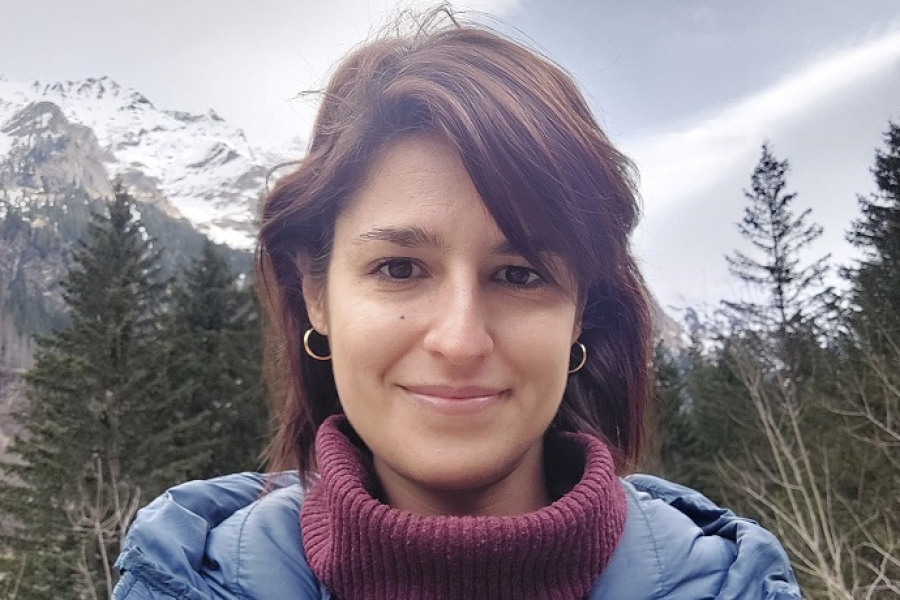
Diagnosing forecasts for the Destination Earth initiative 8 April 2024 Estíbaliz Gascón specialises in the evaluation and diagnostics of weather forecasts. She now evaluates forecasts of extreme weather events and diagnoses km-scale forecasts ECMWF is developing as part of the EU’s Destination Earth initiative.
ECMWF Fellows outline progress and plans for collaborative research 26 March 2024 In the ten years since its launch, collaborations through the ECMWF Fellowship programme have contributed significantly to progress in global Earth system modelling. Here, some of our Fellows outline research they are undertaking with ECMWF and their plans for future work.
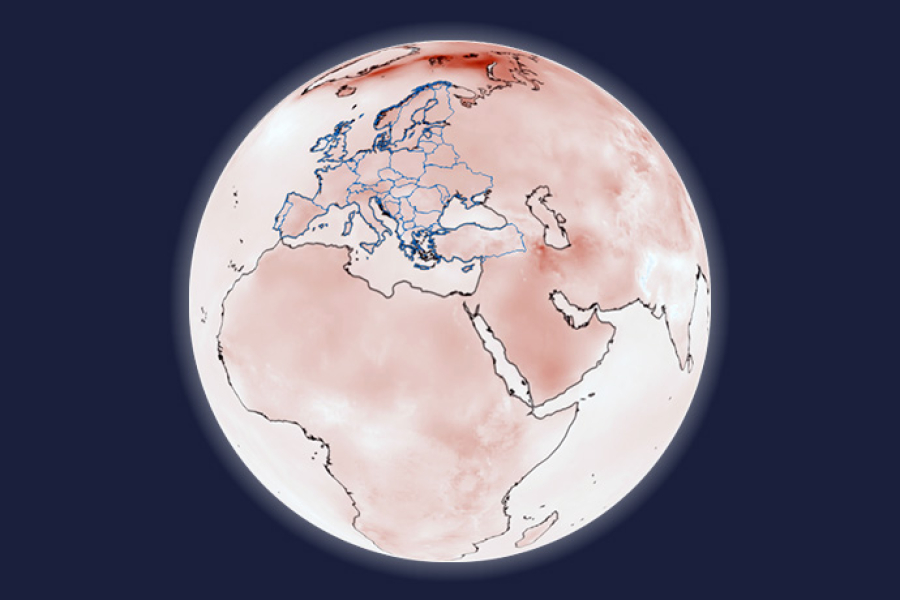
Copernicus Climate Change Service provides new tools for users 19 March 2024 The EU-funded Copernicus Climate Change Service (C3S), implemented by ECMWF, has provided new tools to make it easier for users to explore how the climate has been changing and how it could change in the future.
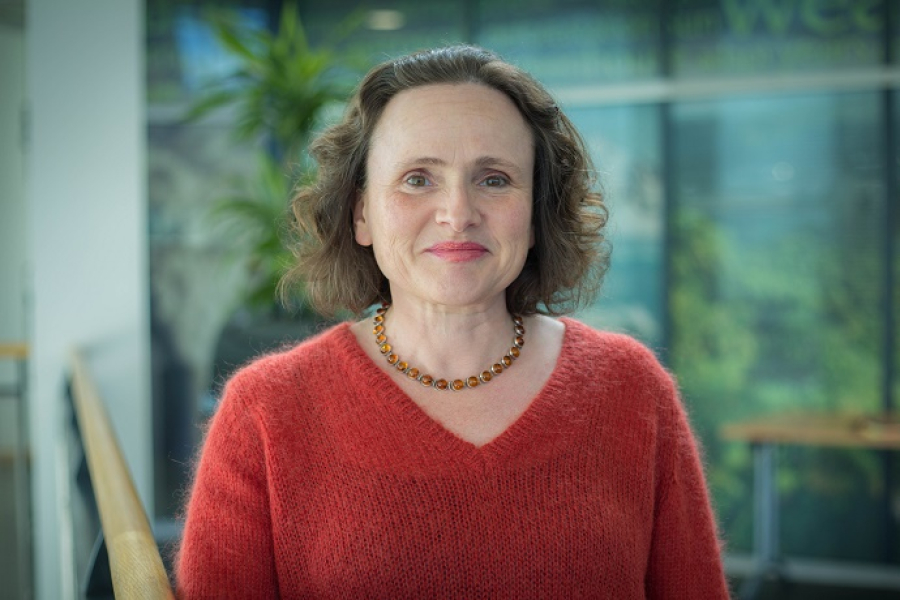
AI weather forecasts can’t stand alone for now, says head of UK Met Office 8 March 2024 Penny Endersby, the Chief Executive of the UK Met Office, has given a wide-ranging interview to ECMWF, focusing on the use of artificial intelligence (AI) forecasts, the relationship between ECMWF and its Member States, and International Women's Day.
Three-year Copernicus CO2 project concludes ambitious programme 5 March 2024 The three-year ECMWF-coordinated project for a prototype system for a Copernicus CO2 service (CoCO2) to monitor anthropogenic CO2 emissions worldwide has concluded its ambitious programme successfully.
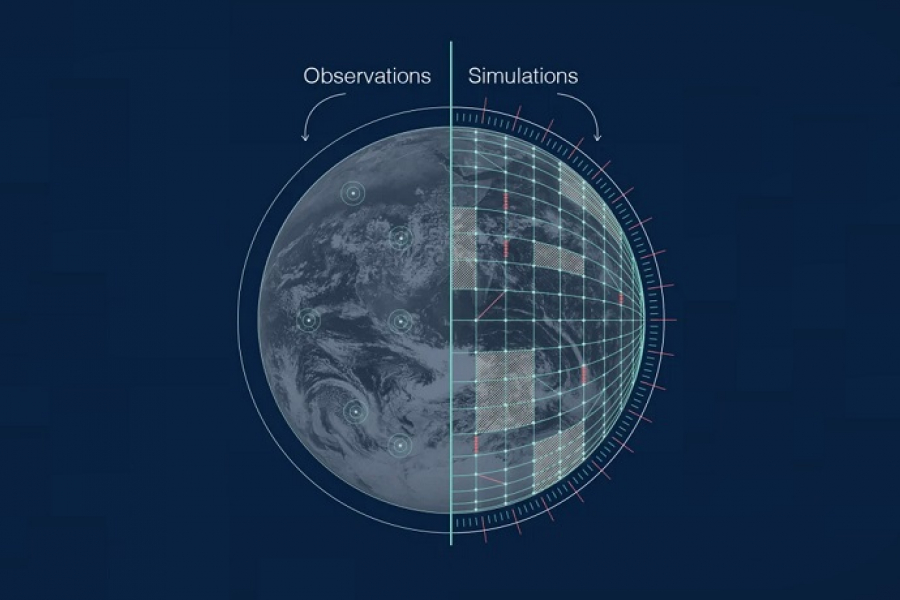
ECMWF releases a much larger open dataset 29 February 2024 ECMWF now provides a much larger open dataset to the public, representing weather forecasts at a higher resolution and a reduction in some release times, after a first set of data was made available in early 2022.
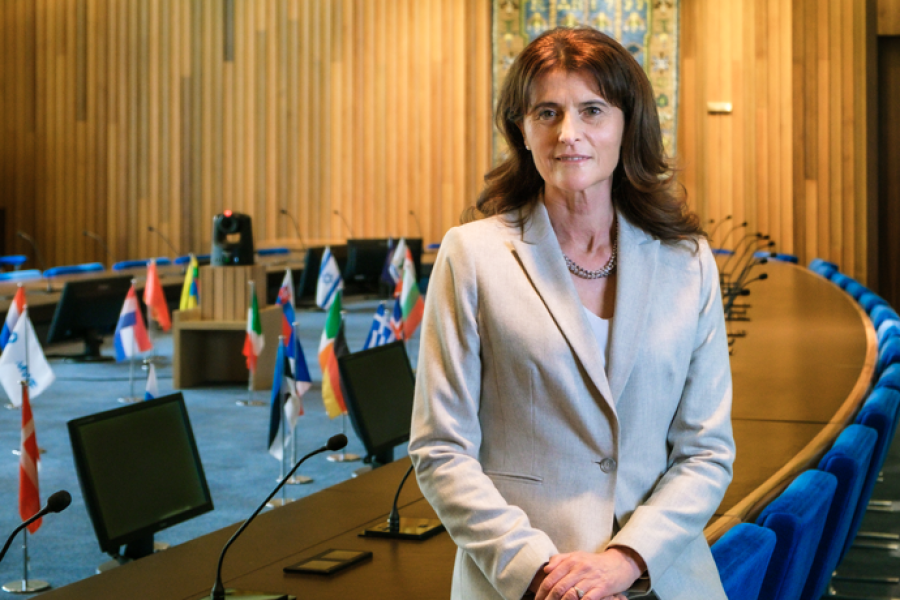
This year will see a model upgrade and progress on machine learning, Director-General says 19 February 2024 An upgrade of the Integrated Forecasting System to Cycle 49r1, continued progress on machine-learning forecasts, and work with our Member States on a new Strategy will take place in 2024, ECMWF Director-General Florence Rabier says.
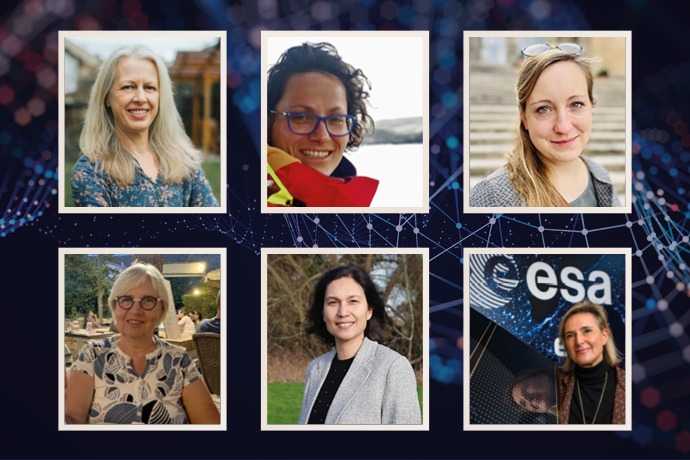
International Day of Women and Girls in Science 2024 9 February 2024 To mark the United Nations' promotion of 'full and equal access and participation for women and girls in science', we invited colleagues at ECMWF and from organisations we work most closely with to tell us more about their work.
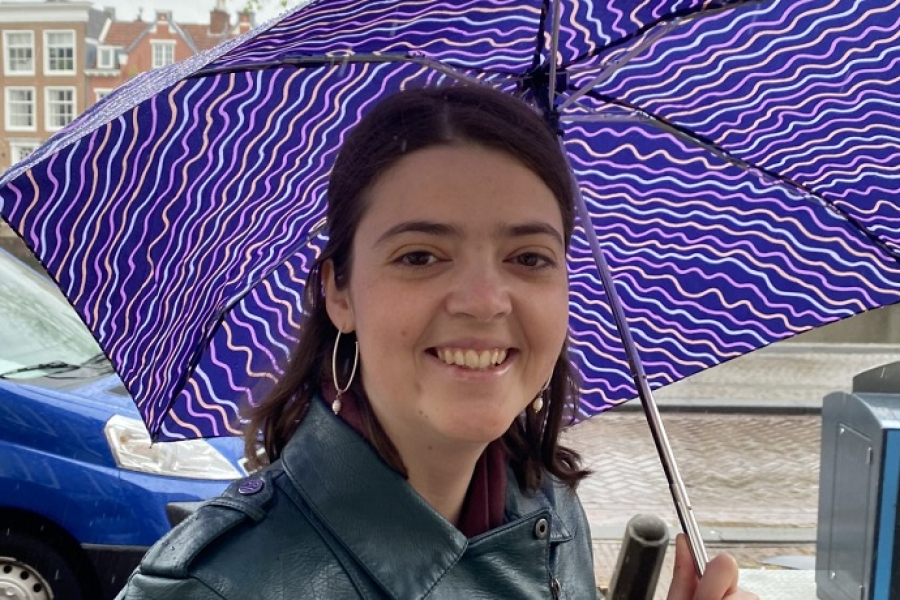
Capturing uncertainty in forecasts based on AI 5 February 2024 Weather forecasting is experiencing a fundamental shift by adding artificial-intelligence-based models to traditional physics-based models. Mariana Clare is one of the scientists helping ECMWF to make the most of what AI has to offer.
ECMWF to hold event on waves and wave-coupled processes in April 29 January 2024 ECMWF will hold the fifth international workshop on waves and wave-coupled processes from 10 to 12 April 2024 in Reading (UK) after previous events were held in Melbourne (Australia), Qingdao (China), Guangzhou (China), and Uppsala (Sweden).
ECMWF uses Mode-S aircraft observations again to improve forecasts 22 January 2024 ECMWF has started to use Mode-S aircraft observations again to improve the quality of forecasts after this type of data was found to be used in too large numbers during the recovery from the COVID-19 pandemic.
Winter 2023/24 Newsletter published 19 January 2024 The winter 2023/24 issue of the ECMWF Newsletter is now available. As well as news about ECMWF staff and events, it features articles about new developments and the use that can be made of ECMWF products.
European met services pool resources to intensify use of AI in weather prediction 10 January 2024 ECMWF’s Member States have approved two major initiatives to intensify the development, testing and implementation of machine learning across their weather forecasting chains.
2023 was the hottest year on record, Copernicus data show 9 January 2024 High temperatures from June onwards led to 2023 becoming the warmest year on record by a large margin, close to 1.5°C above the pre-industrial level, according to the EU's Copernicus Climate Change Service (C3S) implemented by ECMWF.
News highlights of 2023 21 December 2023 ECMWF news highlights in 2023 include a major upgrade of the forecasting system; initiatives to drive forward weather science, including developments in machine learning; and news from the EU-funded services implemented by ECMWF.
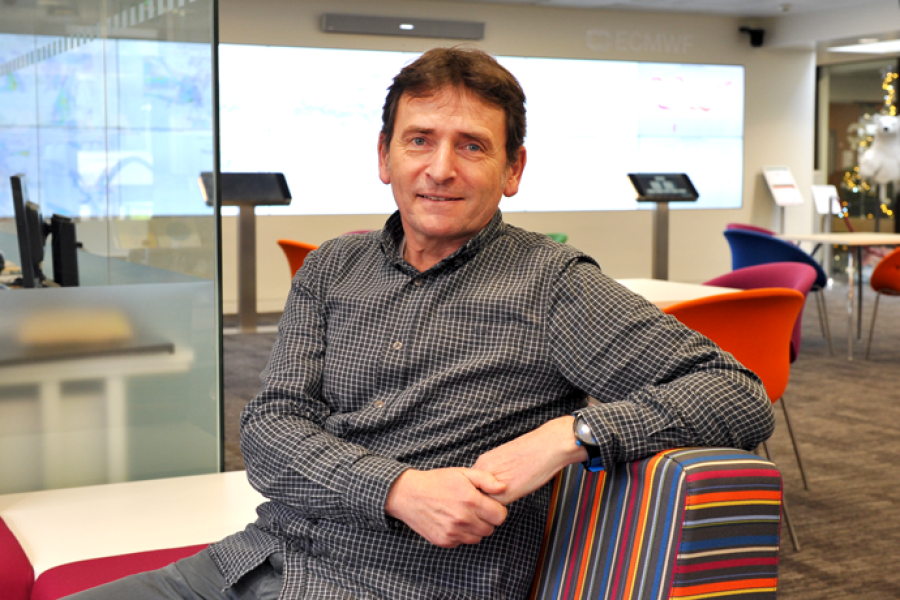
Data assimilation and climate specialist Jean-Noël Thépaut bows out 18 December 2023 Jean-Noël Thépaut, who started his career at ECMWF in the early 1990s and rose to become the Director of the two EU Copernicus services run at the Centre, is leaving us at the end of this year on reaching retirement age.
Confirmation of phase two of Destination Earth 14 December 2023 The second phase of the Destination Earth (DestinE) initiative was confirmed on 13 December 2023 by the European Union and unanimously endorsed by the Councils of the three implementing entities delivering DestinE.
Project to improve transport modelling of atmospheric composition tracers 11 December 2023 CATRINE, an EU-funded project coordinated by ECMWF, will improve the numerical aspects of the transport of atmospheric tracers, with an emphasis on long-lived greenhouse gases. It will support an operational anthropogenic greenhouse gas emissions Monitoring and Verification Support Capacity.