

Through its liaison visits programme, ECMWF engages with its 35 Member and Co-operating States to strengthen relationships at the technical and operational level. The visits provide a deeper understanding of how Member and Co-operating States use ECMWF products and services, their forecasting needs and operational processes, including product development, research and computing capabilities, as well as their future plans and challenges. They also provide dedicated time to discuss the latest developments, priorities and plans on both sides, enabling ECMWF to better understand emerging technical requirements and support needs, and to identify opportunities for collaboration. The visits help promote open communication, the exchange of ideas, and the development of productive partnerships.
Each Member and Co-operating State is visited as part of a cycle lasting approximately three years. The 2022–2025 cycle has recently been completed with the 2026–2028 cycle now under way. Visits primarily take place with the national meteorological and hydrological service (NMHS) of the Member or Co-operating State, with other organisations invited at the NMHS's discretion.
In addition to liaison visits, ECMWF engages regularly with Member and Co-operating States through bilateral and strategic meetings, programme- and project-specific activities, including those in the EU’s Copernicus programme and Destination Earth (DestinE) initiative, and other collaborative activities, ensuring continuous dialogue and engagement between formal visits.
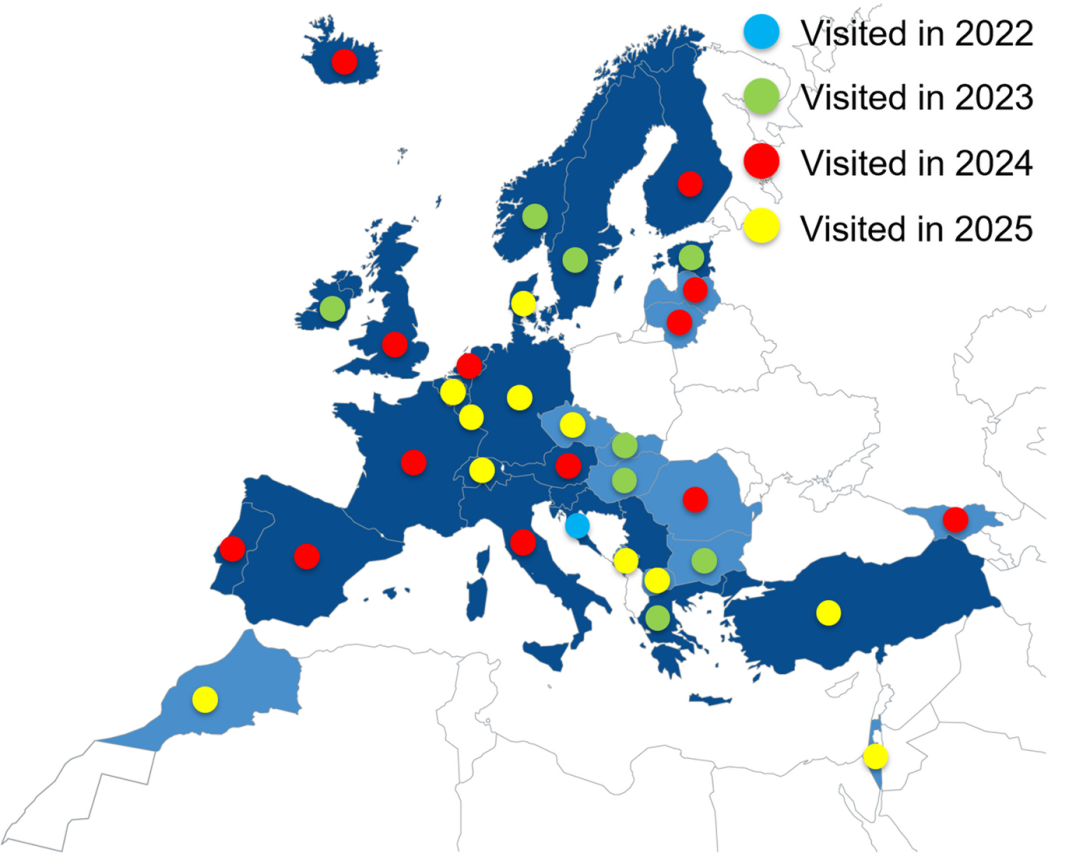
Achievements and focus areas of the 2022–2025 visit cycle
Across the 2022–2025 cycle, ECMWF gained a deeper, technical-level understanding of the activities, priorities and challenges of each Member and Co-operating State, while strengthening relationships within the NMHS and beyond. Discussions focused on future needs and priorities, including requests for new products and datasets. They also provided valuable feedback on ECMWF forecasts and tools such as ecCharts and enhanced the sharing of data and forecasting case studies.
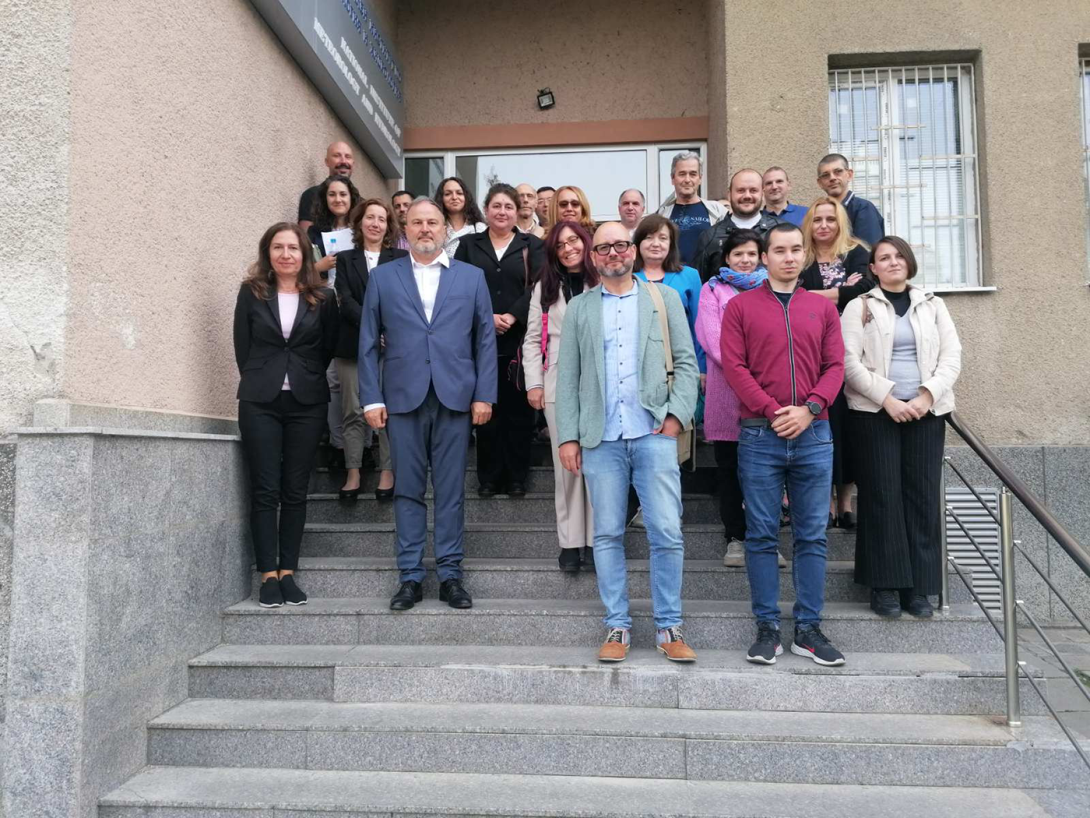
While each Member and Co-operating State is unique, several common themes emerged across the visits. Many NMHSs rely heavily on ECMWF data and products within their operational forecasting workflows, highlighting the importance of timely product delivery and robust data availability. There was also widespread interest in machine learning and its potential applications, with many organisations keen to learn more and share experiences. The visits provided a valuable opportunity to discuss long-standing feedback and outstanding issues directly, helping to ensure that requirements and concerns were better understood and addressed.
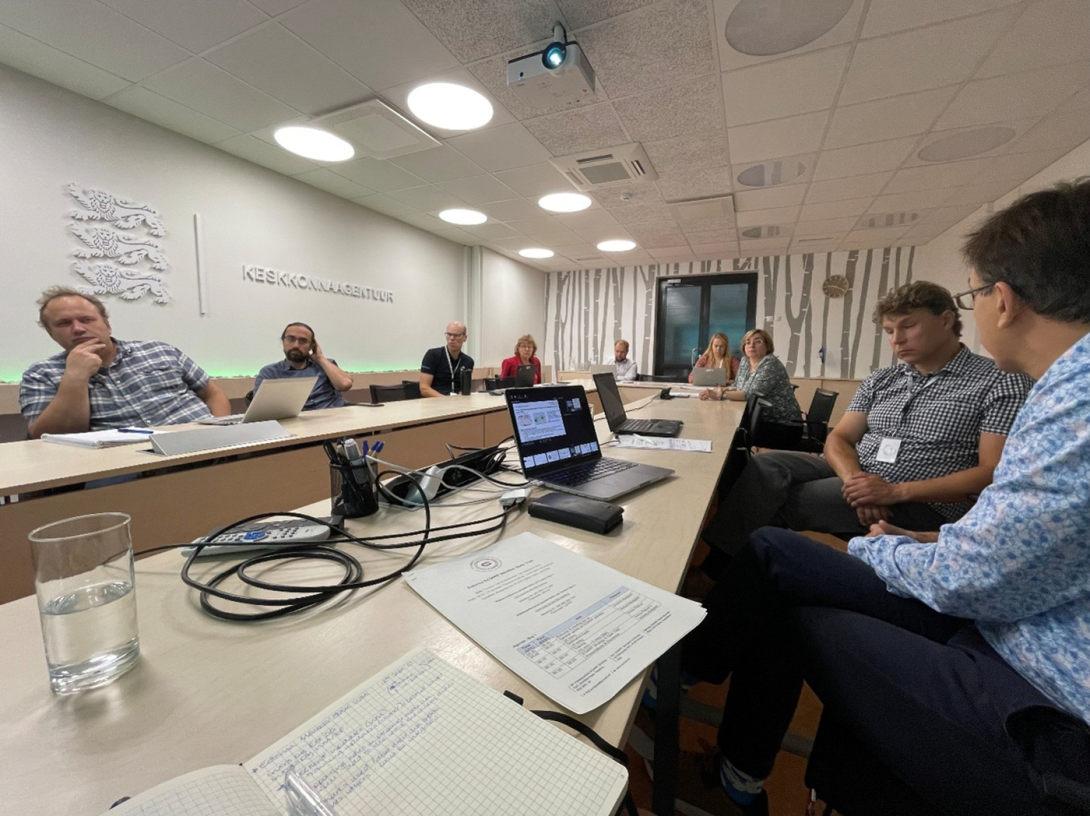
Several outcomes have emerged from the visits, for example, the Turkish State Meteorological Service (TSMS) now shares model verification data with ECMWF to support model evaluation. The National Environment Agency (NEA) of Georgia highlighted issues with city naming in ecCharts, which were subsequently resolved through the implementation of an improved cities database. Météo-France requested hail parameters, which are now under development at ECMWF.
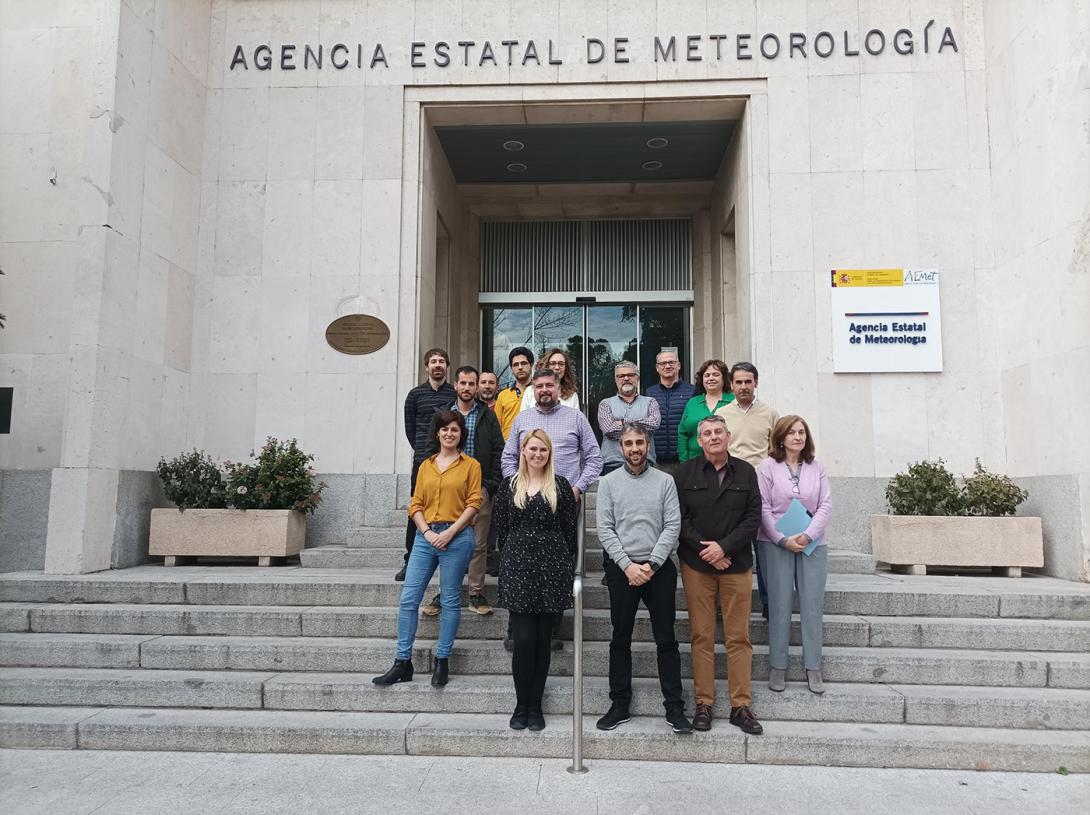
ECMWF staff also provided hands-on support during visits, helping colleagues from Member and Co-operating State resolve technical issues and make better use of ECMWF services, including the European Weather Cloud and the Meteorological Archival and Retrieval System (MARS). In some cases, the visits directly facilitated collaboration: for example, Denmark’s first contribution to Anemoi was made during a hackathon organised as part of the visit.
Every visit included a general update on ECMWF activities and forecasting developments, while many countries shared updates on their own work. All visits also included requests for ECMWF forecast product updates, with the topics covered varying by country according to their forecasting interests and needs. Machine learning and AI were among the most frequently requested discussion topics, with almost every visit featuring a presentation or dedicated session. Updates on computing facilities, thematic applications (fire, drought, health, energy), flood awareness products (EFAS and GloFAS), DestinE, and Copernicus Services (C3S, CAMS and the Climate and Atmosphere Data Stores) were also commonly requested, highlighting strong and sustained interest from Member and Co-operating States in these areas.
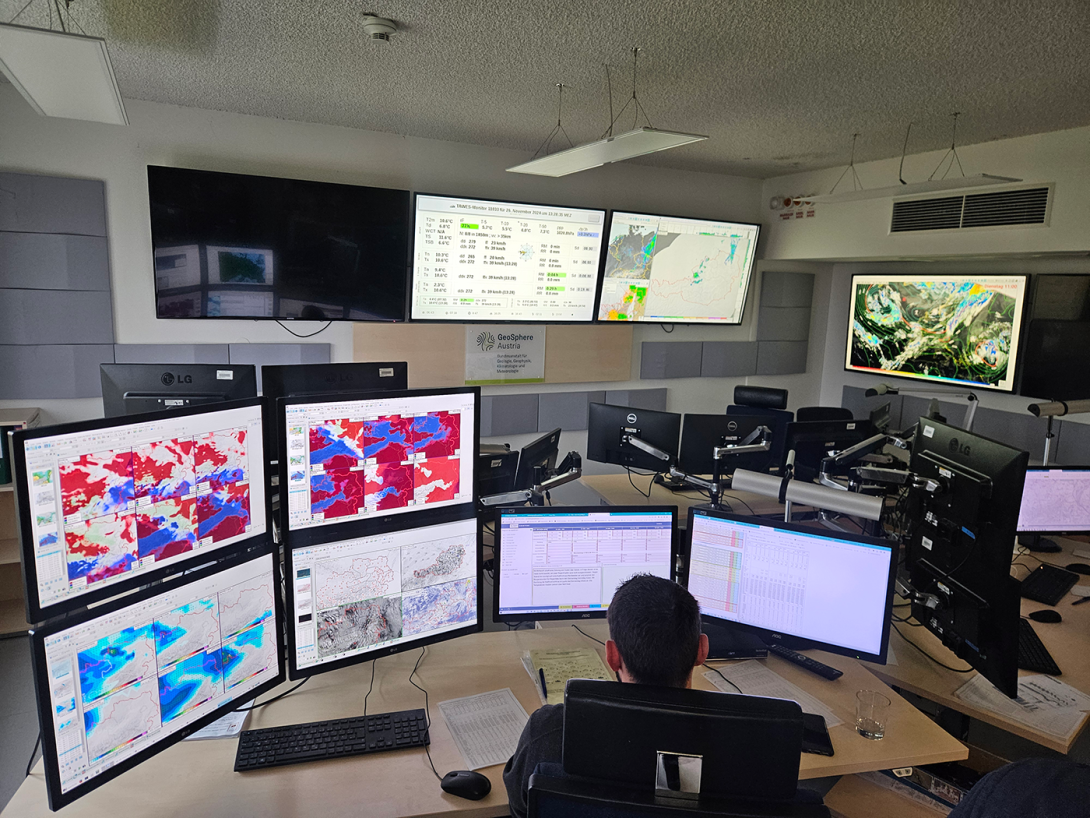
The evolution of Member State and Co-operating State visits
The 2022–2025 cycle introduced several improvements to the liaison visits, including the introduction of a hybrid format, allowing staff from both sides to participate online and enabling experts to present directly and answer questions. This approach has been well received, with good attendance and lively hybrid discussions.
Other improvements include sending a scoping form early in the organisational process to identify priority topics, holding online planning meetings with hosts, and collaboratively developing a balanced agenda. Internal ECMWF processes were enhanced to increase inclusivity, openness and awareness across the organisation, including efforts to ensure balanced gender representation among participants.
Lessons learned during the visits, particularly those early in the 2022–2025 cycle, helped drive refinement of both the visit process and the visits themselves.
Visit feedback
In 2025, ECMWF conducted two surveys on the liaison visits programme: one for countries visited between 2022 and 2024 and another for ECMWF staff.
Feedback from Member and Co-operating States was extremely positive, with the visits receiving an average rating of 4.8/5. Respondents highlighted the balance between presentations and discussions, presentation quality, and the value of informal networking opportunities. One area for improvement was better tailoring of ECMWF presentations to different audiences, including the level of technical detail.
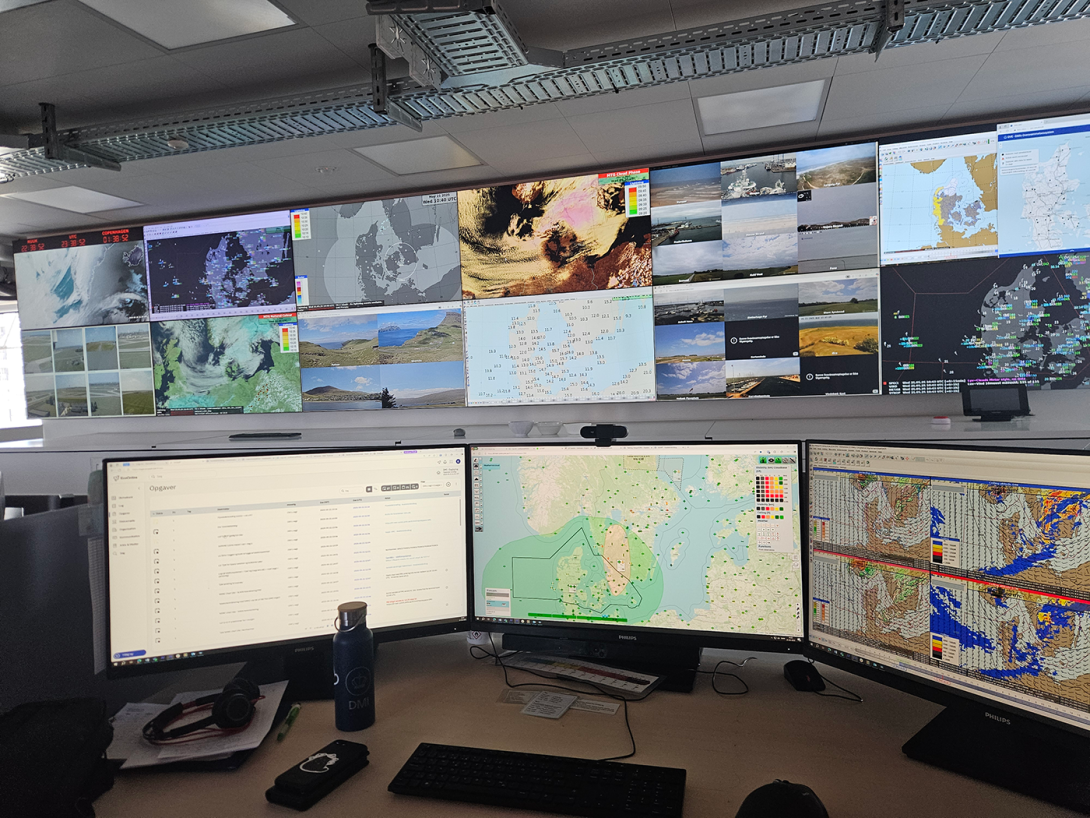
Internal feedback similarly highlighted the value of the visits in helping staff engage directly with Member and Co-operating States, gain a better understanding of their work, needs, and challenges, gather feedback, and promote ECMWF activities. Beyond information exchange, the visits were recognised as strengthening relationships, fostering collaboration and knowledge exchange, and creating opportunities to share experiences and identify areas for future cooperation. The hybrid format was well received, enabling staff to attend visits online. The main outcome from the internal survey was a need for improved understanding across ECMWF of the purpose of the visits, how staff can contribute, and the outputs the visits generate. Activities to address this will be undertaken throughout 2026 and beyond.
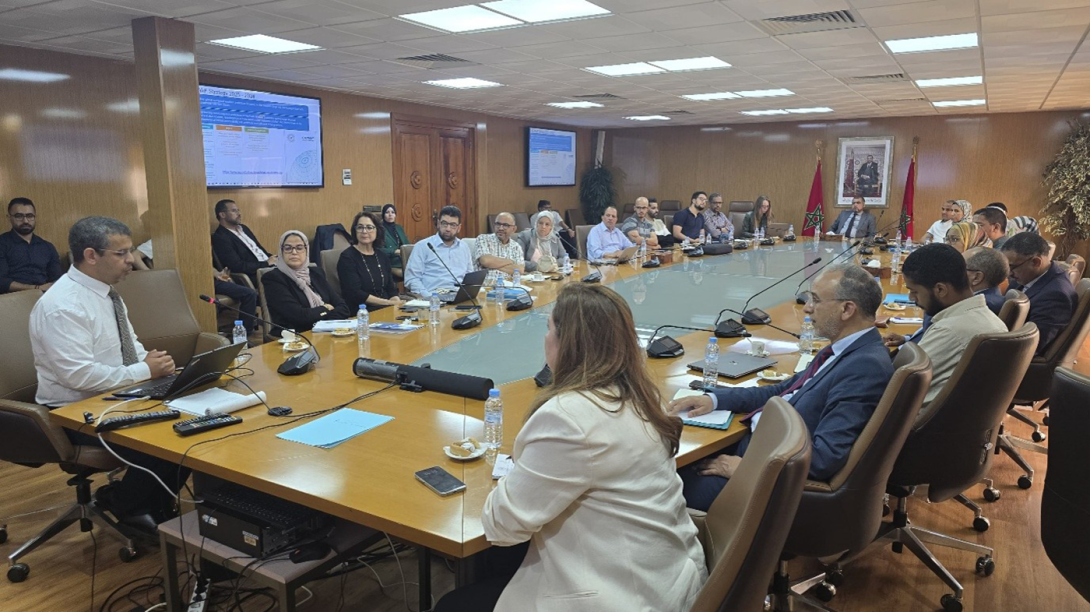
The 2026–2028 visit cycle
The new visit cycle began in May 2026 with visits to Croatia and Portugal. The tailored approaches and good practices established in the previous cycle will be retained and built upon, while ongoing feedback and lessons learned will continue to drive further improvements. The visibility of the visits will also be enhanced through publication on ECMWF's digital channels.
As the new cycle gets under way, ECMWF will continue strengthening its collaboration with and understanding of its Member and Co-operating States through this programme, helping to ensure that its activities align with their evolving needs and priorities.
Thank you to everyone who has contributed to the programme and supported its ongoing success .
If you would like to learn more about the programme or have any questions, please contact Becky Hemingway at ECMWF, your Meteorological Representative, if from an NMHS of a Member or Co-operating State, or ECMWF via the Support Portal.