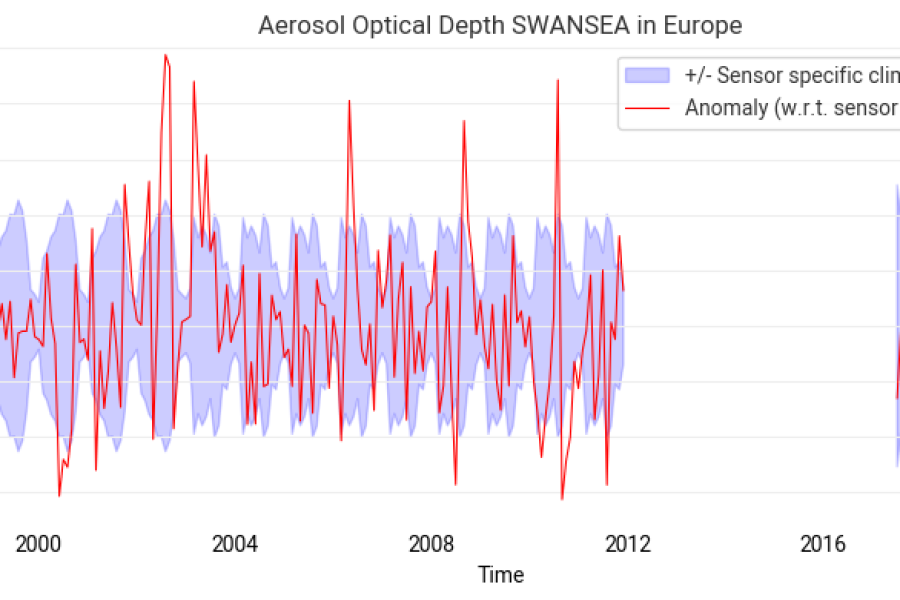
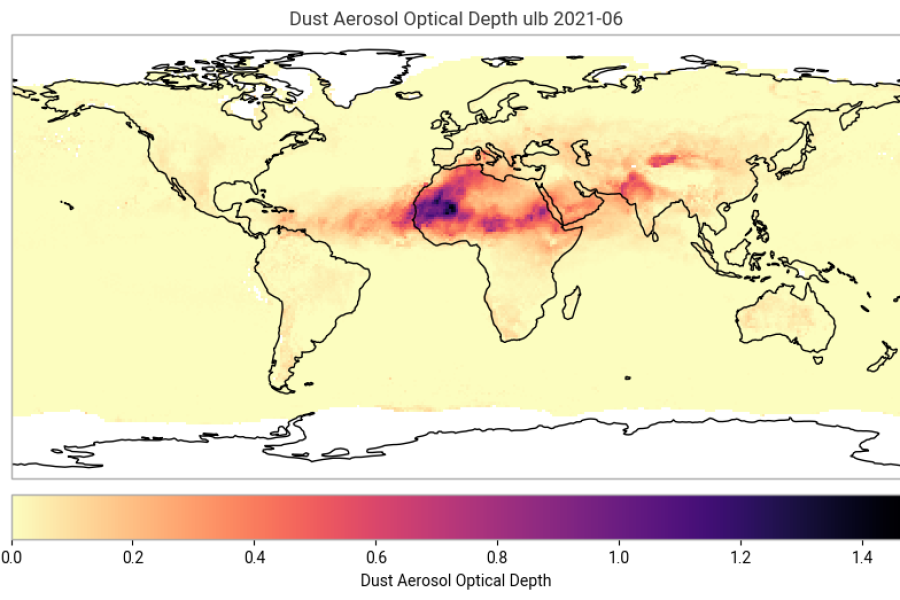
Introduction to the C3S Aerosol properties gridded data derived from satellite. Creation of a full Climate Data Record.
Introduction to the C3S Aerosol properties gridded data derived from satellite. Use cases for monthly mean single sensor data.
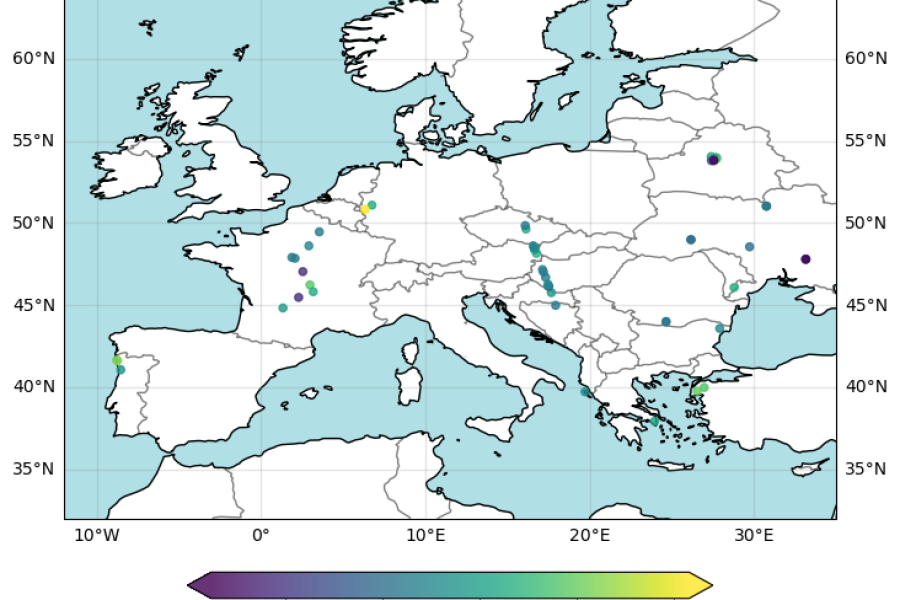
Access and use of satellite-derived Greenhouse Gas (GHG) atmospheric carbon dioxide (CO2) Level 2 data product.
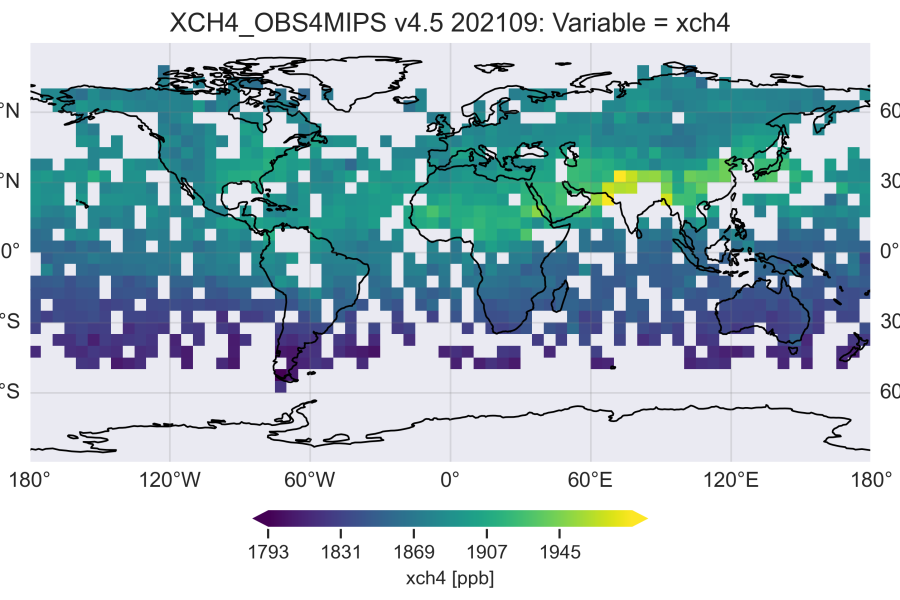
How to access, read and use Greenhouse Gas atmospheric carbon dioxide and methane data: temporal and spatial variation.
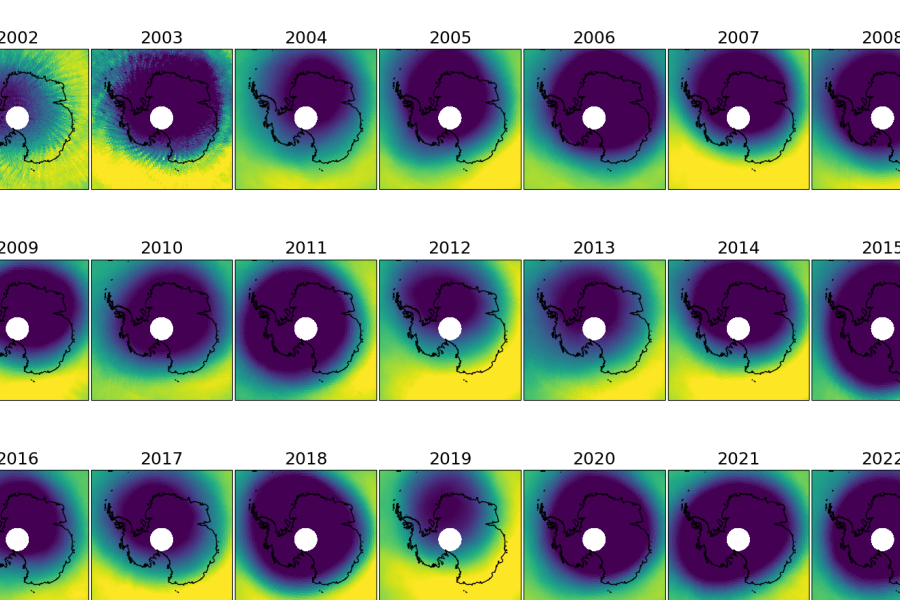
Spatial and temporal ozone distribution of the total ozone columns. Retrieval of the data and analysis.
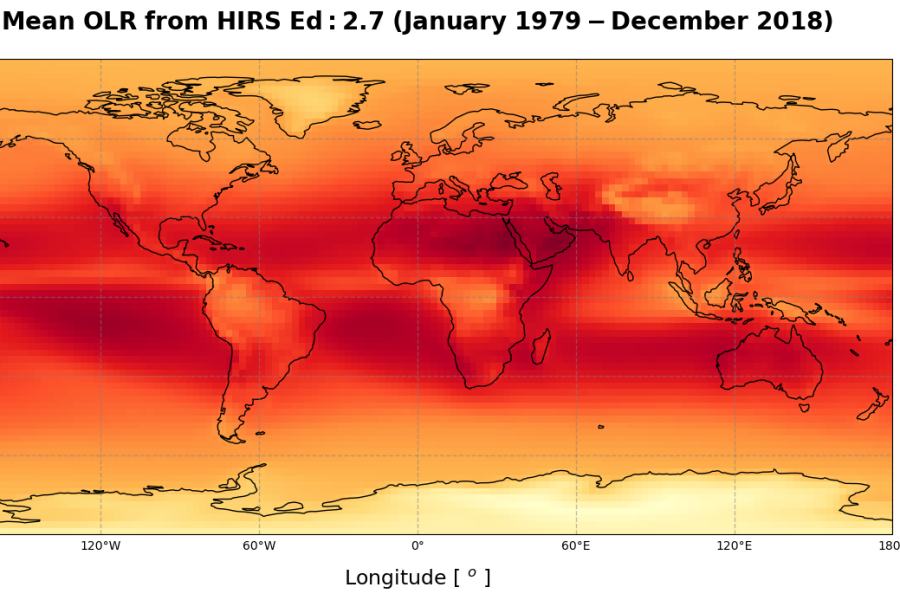
Introduction to the ECV Earth Radiation Budget, Outgoing Longwave Radiation (OLR) and three use cases