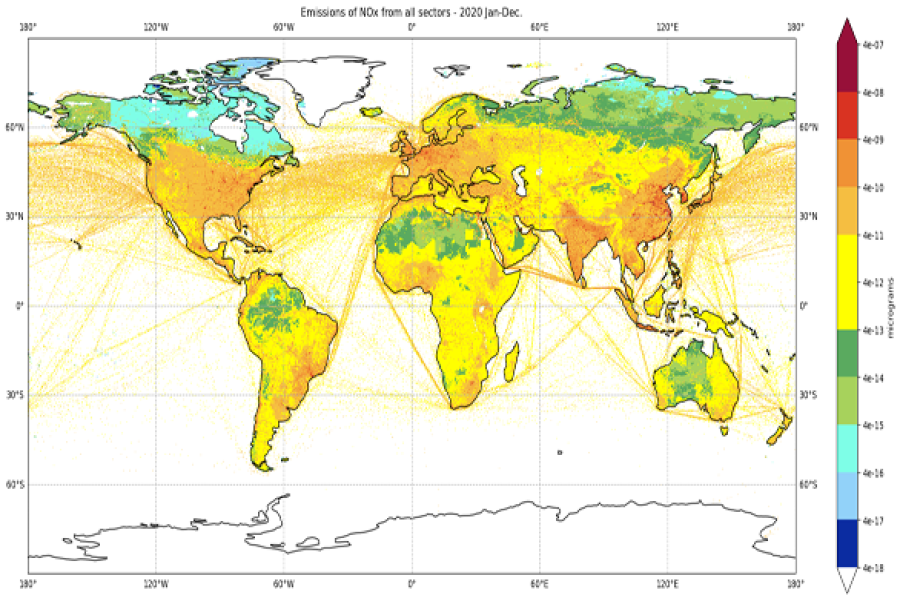
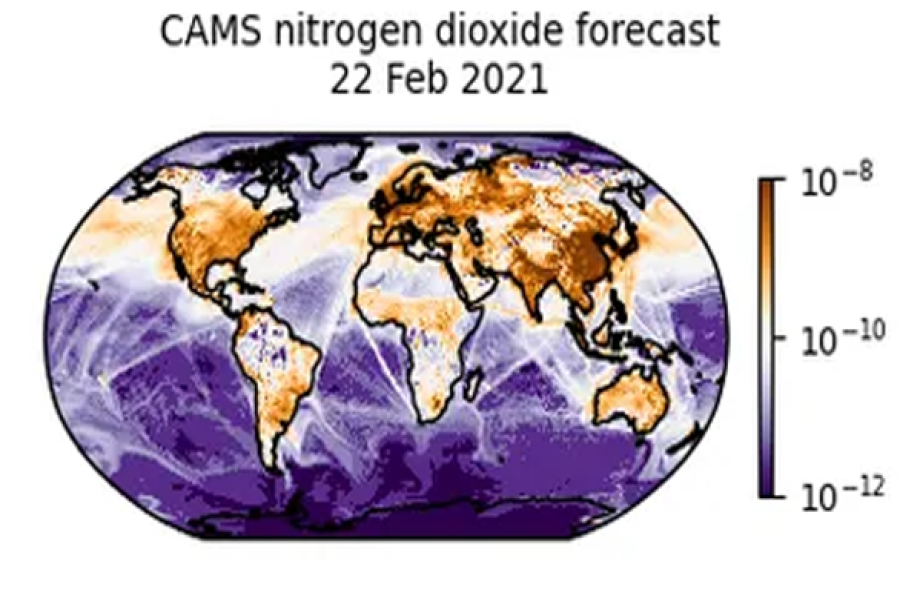
Investigating and visualising CAMS NOx anthropogenic and natural emissions inventories.
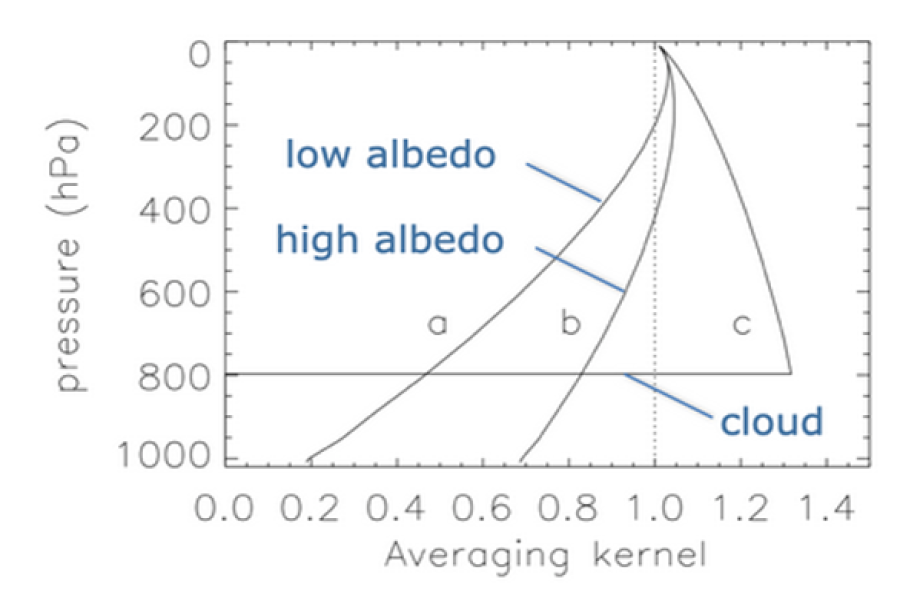
Introducing the theory of comparing satellite retrievals with model fields using averaging kernels and operators.
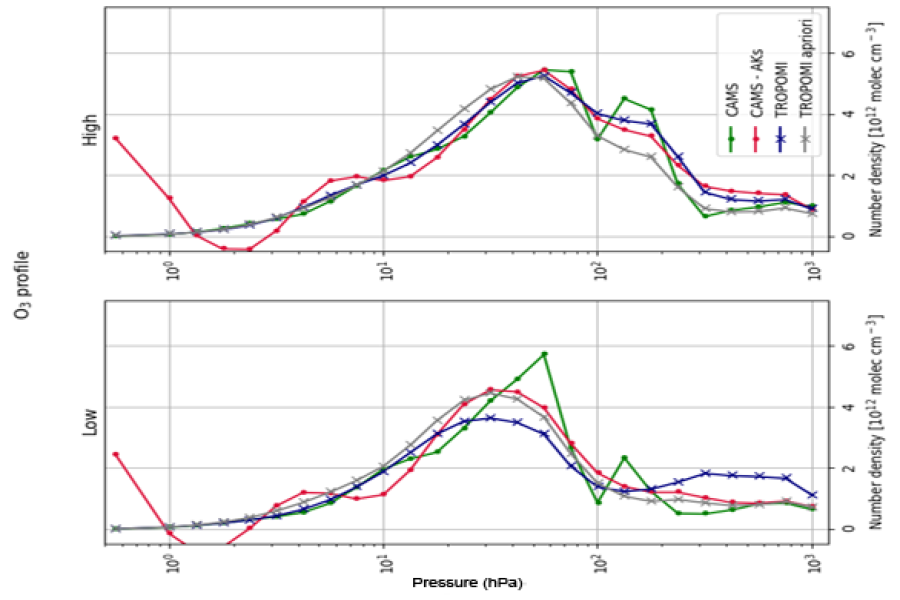
Analysing TROPOMI ozone profiles using averaging kernels to compare satellite retrievals with model vertical structure.
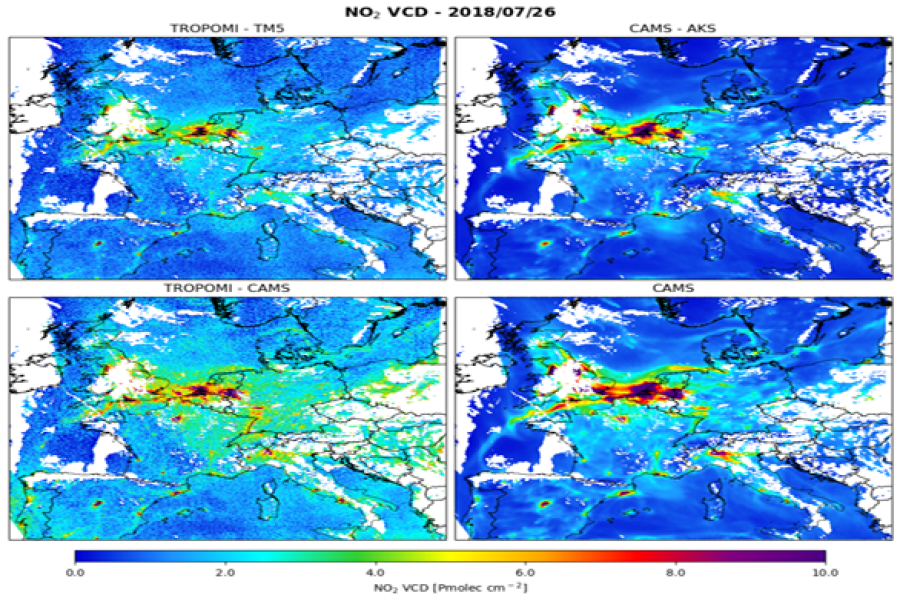
Comparing TROPOMI NO₂ observations with CAMS regional fields to assess spatial patterns and air-quality variability.
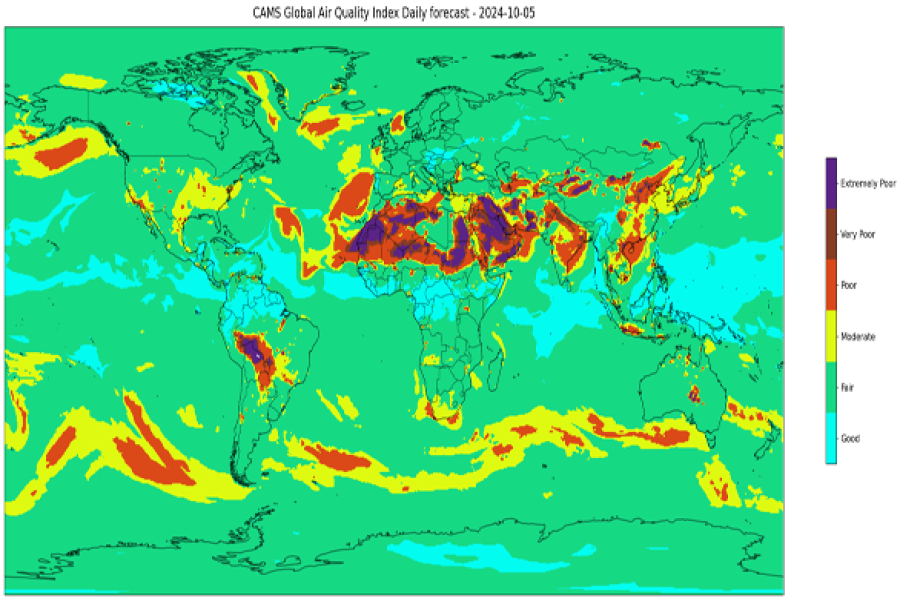
Computing and visualising the global AQI from CAMS pollutants to assess air-quality conditions worldwide.
Evaluating CAMS global aerosol forecasts by comparing model AOD with AERONET observations at selected sites.
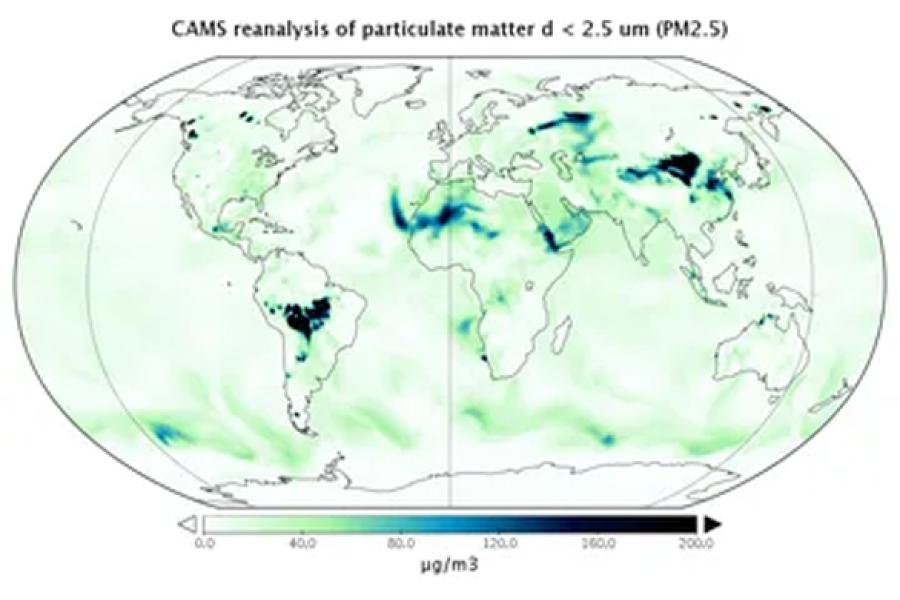
Exploring CAMS global reanalysis fields to study atmospheric composition, trends, and long-term variability.
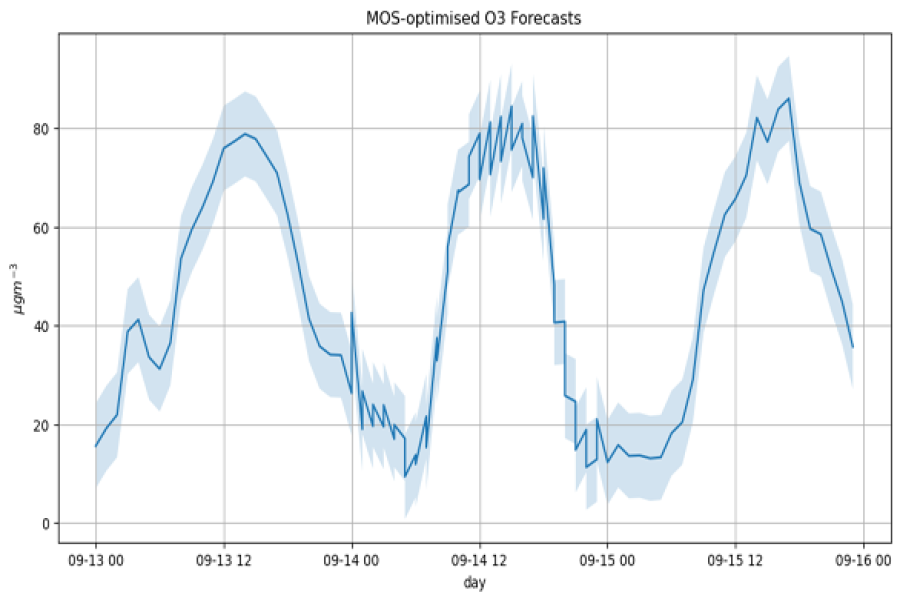
Exploring bias in CAMS forecasts using observations and introducing how MOS helps address systematic errors.
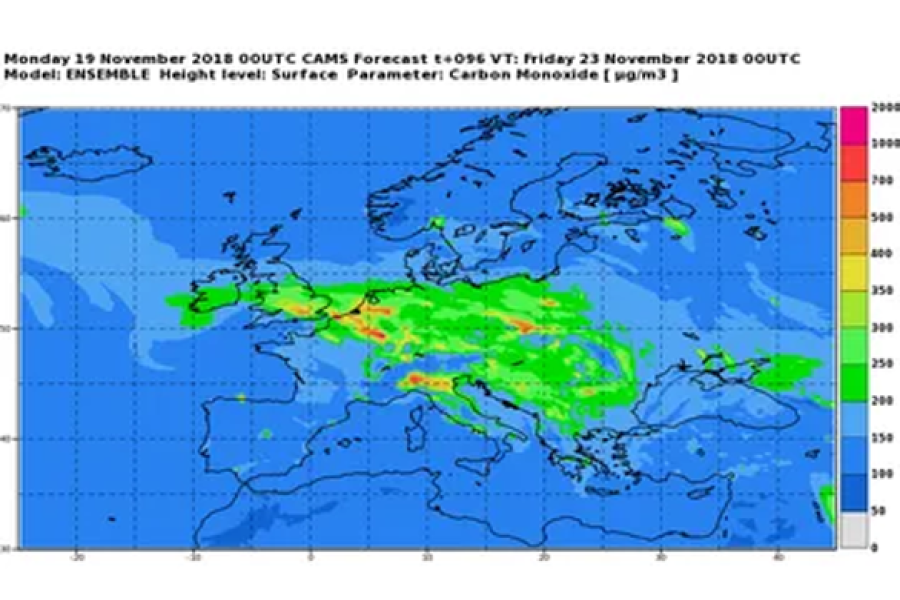
Investigating CAMS regional air-quality forecasts to examine high-resolution pollutant fields and time series.
Jupyter notebook based tutorials that demonstrate how to access and handle atmospheric products available through CAMS.
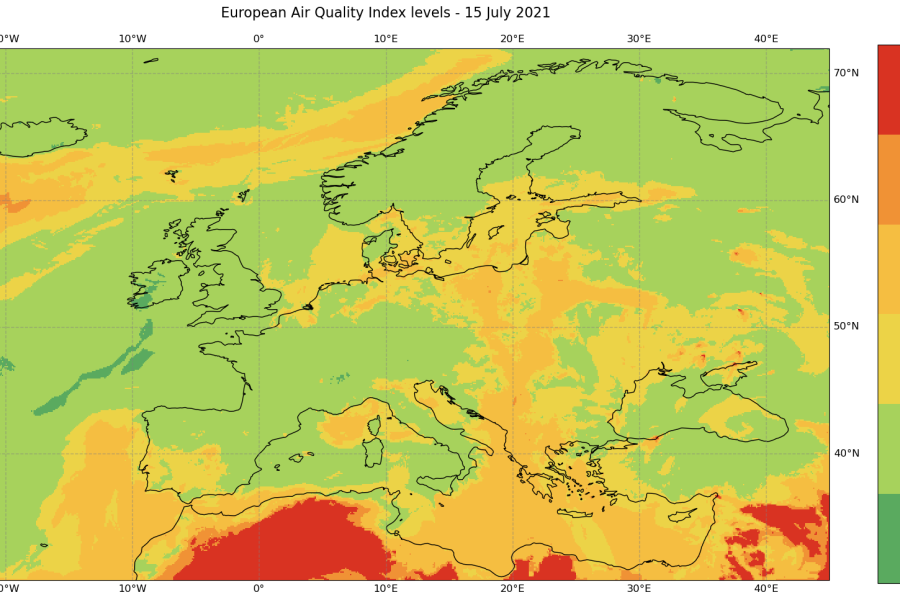
Calculating and mapping the European AQI from CAMS pollutant data and analysing pollutants with heat maps.
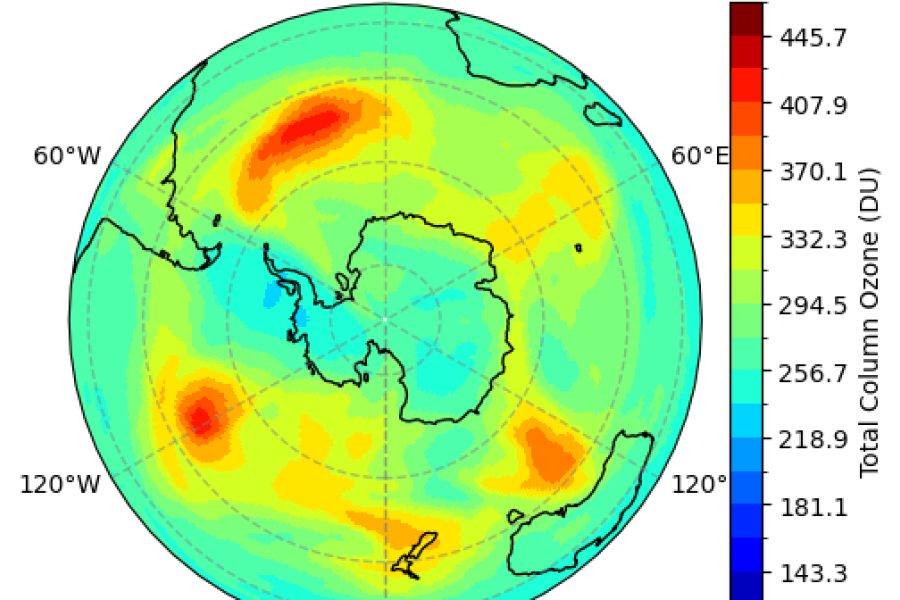
Processing and visualising CAMS ozone fields to visualise and animate the Antarctic ozone hole.