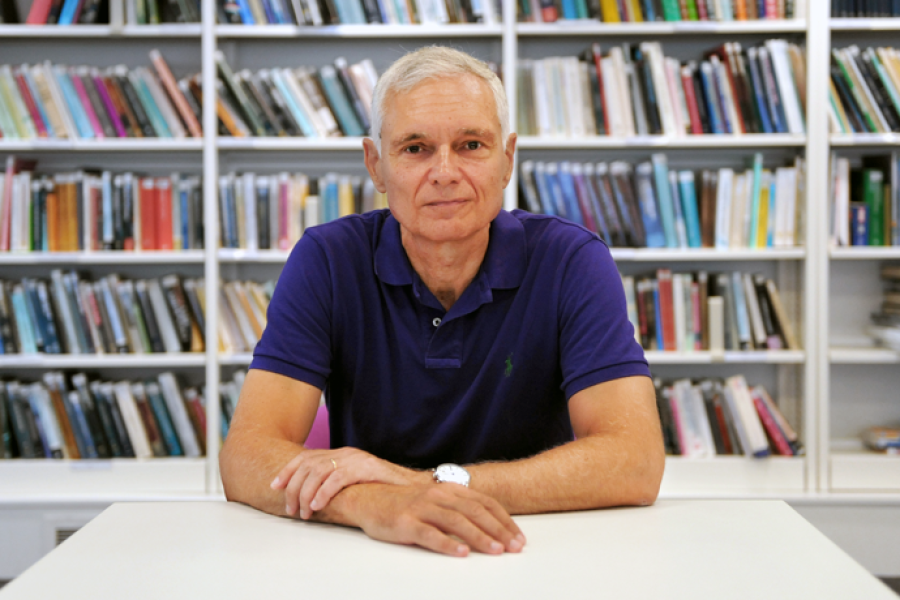
Helping forecasts start in the right place 19 August 2026 After 17 years at ECMWF, Massimo Bonavita looks back on advances in data assimilation and ahead to the role of machine learning in weather forecasting.
ECMWF strengthens collaboration through Member State visits in early 2026 10 August 2026 Member and Co-operating States are at the heart of ECMWF. Regular visits foster collaboration, provide valuable feedback, and help shape future scientific and operational developments.
Applications open for ECMWF's January 2027 in-person training courses 5 August 2026 Applications are open for three ECMWF training courses in Reading, covering data assimilation, satellite observations and forecast products through expert-led lectures and practical sessions.
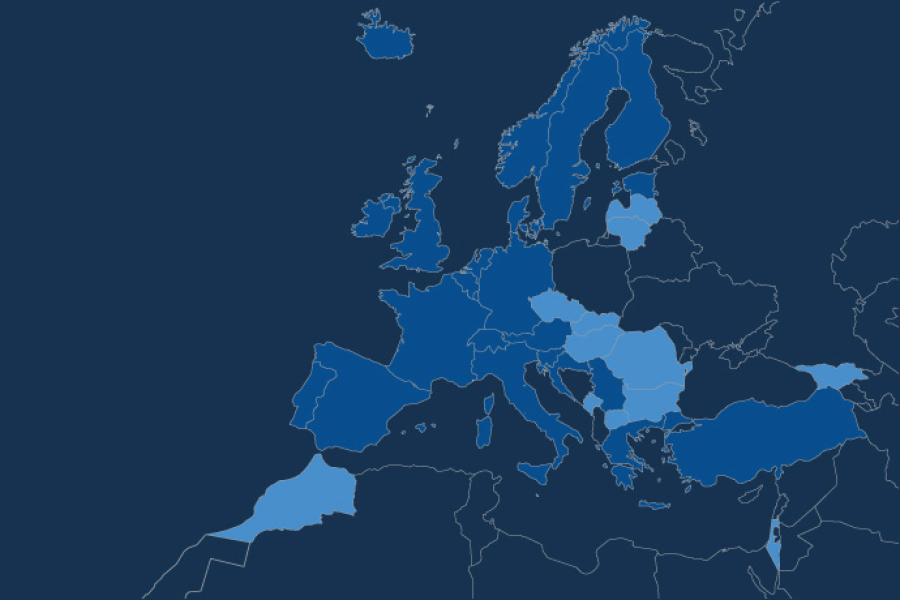
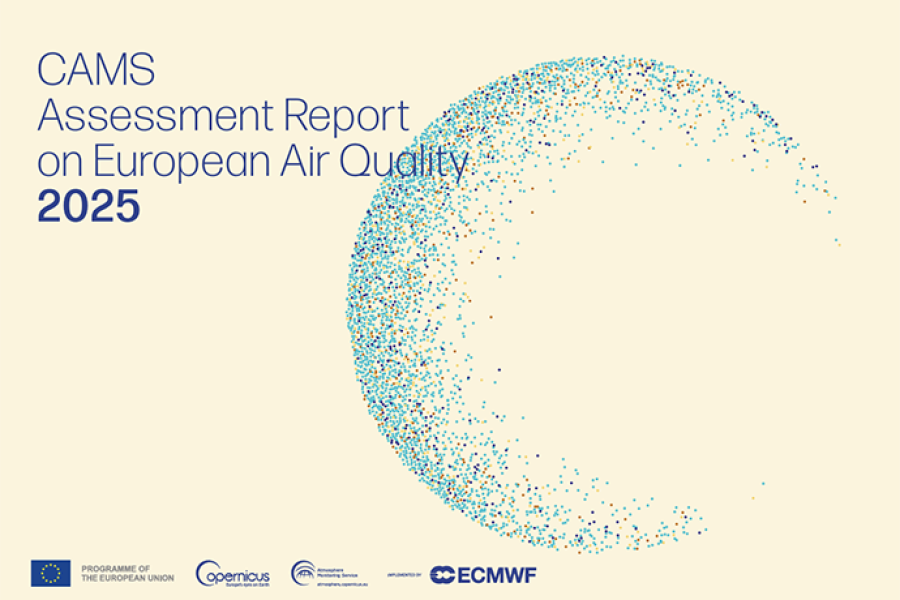
Copernicus report shows continued air quality improvements across Europe 27 July 2026 A new Copernicus Atmosphere Monitoring Service report shows improving air quality across Europe driven by lower emissions, while highlighting how weather conditions can amplify pollution from transport, industry, heating and other sources.
ECMWF events bring global communities together 24 July 2026 A series of major events brought together hundreds of users, experts and partners to exchange knowledge and shape future services.
Machine learning opens new opportunities for global reanalysis 20 July 2026 A prototype machine-learning reanalysis trained directly on observations reconstructs more than four decades of atmospheric conditions, opening new possibilities for future reanalysis production.
ECMWF opens Call for Proposals for SEWA regional pilots on impact-based forecasting in Africa 10 July 2026 Regional pilot projects will help strengthen preparedness for hazardous weather and climate-related events across Africa.
ECMWF data used in landmark global study that tracks climate hazards facing children 8 July 2026 ERA5 data contributes to new UNICEF report mapping children’s exposure to climate hazards worldwide, supporting more informed risk assessment and decision-making.
ECMWF launches earthkit 1.0 for next-generation weather and climate workflows 2 July 2026 With earthkit 1.0, ECMWF is making it easier for users to access, analyse and visualise weather and climate data, supporting better services and decision-making.
Irina Sandu takes up the role of Deputy Director-General and Director of Science and Innovation 1 July 2026 Irina Sandu takes up a new leadership role, bringing more than 20 years of scientific and operational experience to help shape ECMWF’s future research and innovation.