Showing 13 - 24 of 33 results
Wind chill index with reanalysis data

Wind chill index with reanalysis data

Format: Jupyter notebooks

How to combine multiple variables of climate data to create an index: wind speed index as an example

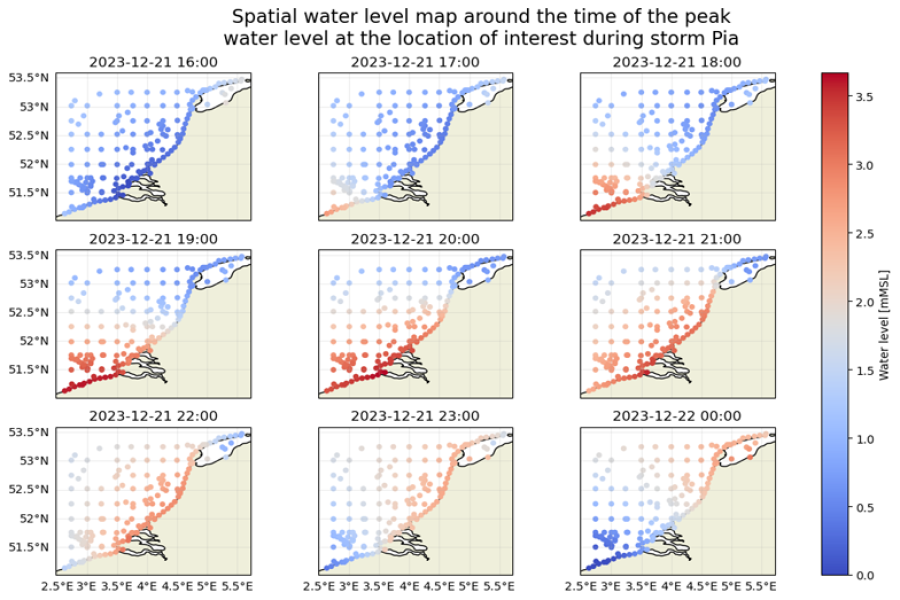
Exploring coastal water levels and storm surges from a global tide and surge model

Exploring coastal water levels and storm surges from a global tide and surge model

Format: Jupyter notebooks

GTSM reanalysis experiment data are used to explore historical storm events.

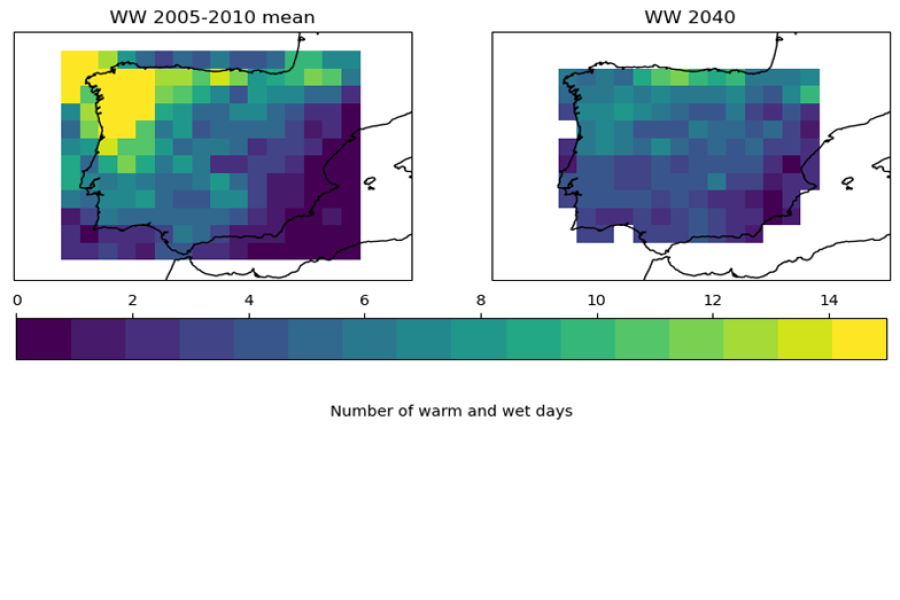
Computing warm & wet days agro-climatic indicator under future climate change

Computing warm & wet days agro-climatic indicator under future climate change

Format: Jupyter notebooks

How to use data from CDS to compute an agroclimatic indicator, specifically, the "Warm and wet days" (WW) indicator

Analyzing Ocean Colour and Sea Surface Temperature during El Niño and La Niña Events

Analyzing Ocean Colour and Sea Surface Temperature during El Niño and La Niña Events

Format: Jupyter notebooks

OC and SST datasets from CDS: subset and download, visualise time series, aggregate daily to monthly, calculate anomalies

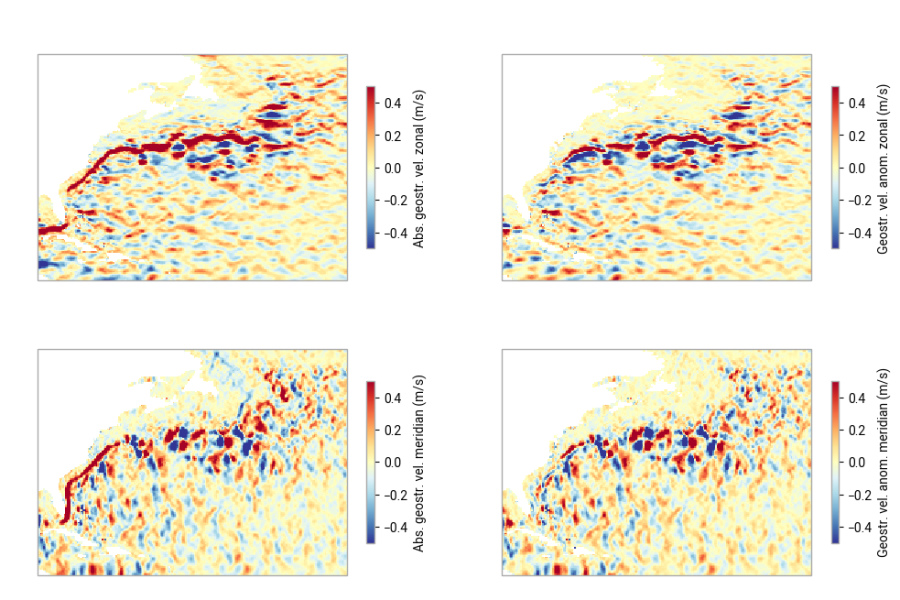
Looking at Sea Level and derived Surface Current data

Looking at Sea Level and derived Surface Current data

Format: Jupyter notebooks

Practical introduction to the Sea level gridded data: plotting data during an El Niño event and over a strong current

Exploring the Climate Change Service (C3S) Surface Albedo product available through the Climate Data Store (CDS)

Exploring the Climate Change Service (C3S) Surface Albedo product available through the Climate Data Store (CDS)

Format: Jupyter notebooks

Surface Albedo product. Three case studies: data retrieval, visualisation, time-series creation, set up Python environment

Computing the time average of LAI and fAPAR using inverse variance weights

Computing the time average of LAI and fAPAR using inverse variance weights

Format: Jupyter notebooks

LAI and fAPAR retrieved with satellite remote sensing. Computation of inverse variance weights

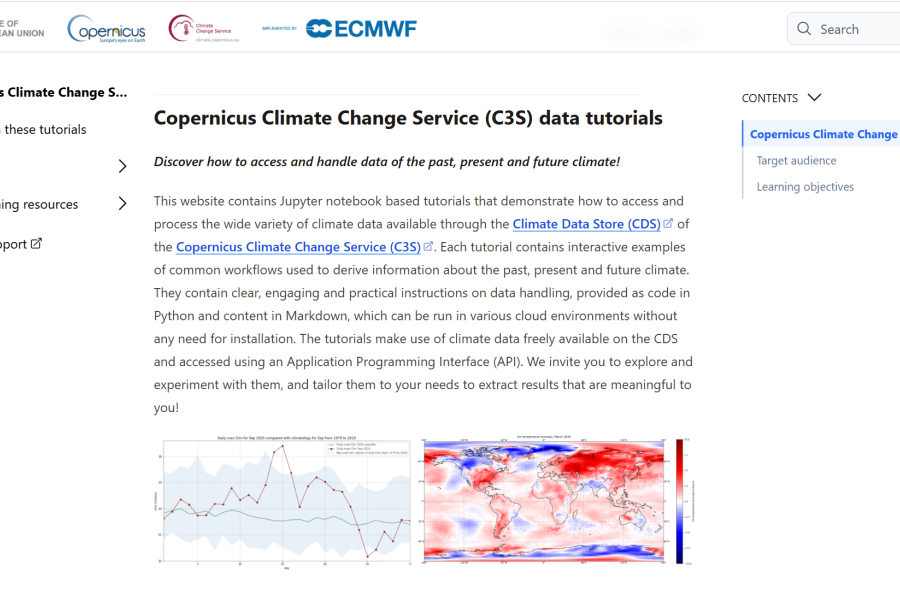
Analysis of September 2020 European heatwave using ERA5 climate reanalysis data from C3S

Analysis of September 2020 European heatwave using ERA5 climate reanalysis data from C3S

Format: Jupyter notebooks

Analyse a heatwave with ERA5 data from the C3S Climate Data Store. Compare temperatures with climatology. Plot figures.

Tutorial on July 2023 record-breaking global surface temperatures using climate data from C3S

Tutorial on July 2023 record-breaking global surface temperatures using climate data from C3S

Format: Jupyter notebooks

View trends in air and sea surface temperatures in ERA5 data from the C3S Climate Data Store. Calculate and plot anomalies.

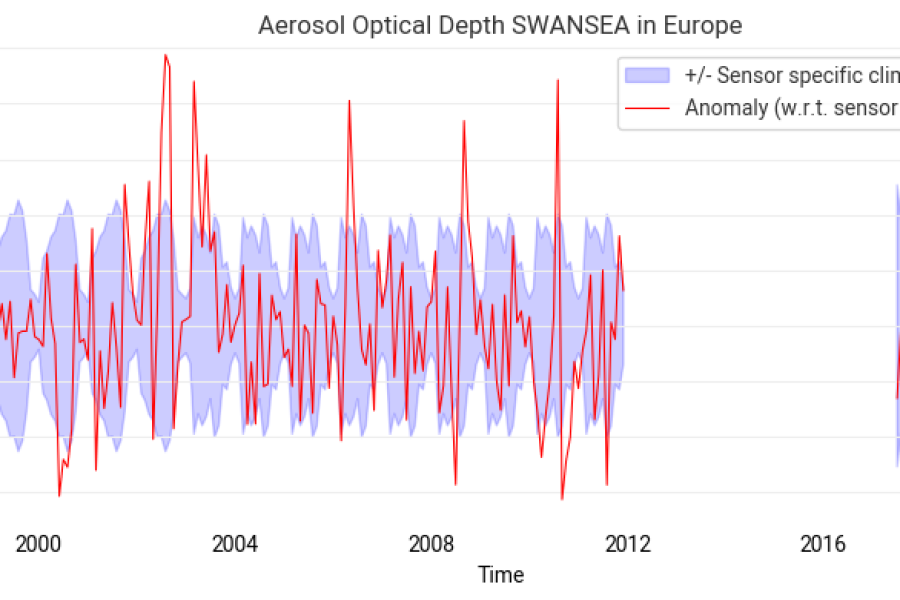
Visualising a full climate data record of multi-sensor aerosol data

Visualising a full climate data record of multi-sensor aerosol data

Format: Jupyter notebooks

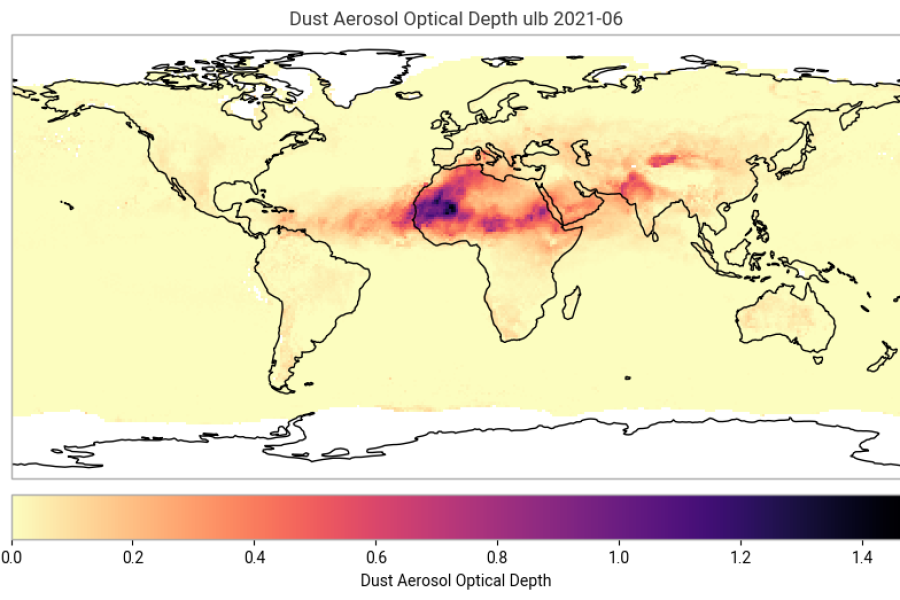
Introduction to the C3S Aerosol properties gridded data derived from satellite. Creation of a full Climate Data Record.

Exploring gridded data on aerosol properties available on C3S

Exploring gridded data on aerosol properties available on C3S

Format: Jupyter notebooks

Introduction to the C3S Aerosol properties gridded data derived from satellite. Use cases for monthly mean single sensor data.

How to access and use a satellite-derived GHG Level 2 data product using XCO2_EMMA as an example

How to access and use a satellite-derived GHG Level 2 data product using XCO2_EMMA as an example

Format: Jupyter notebooks

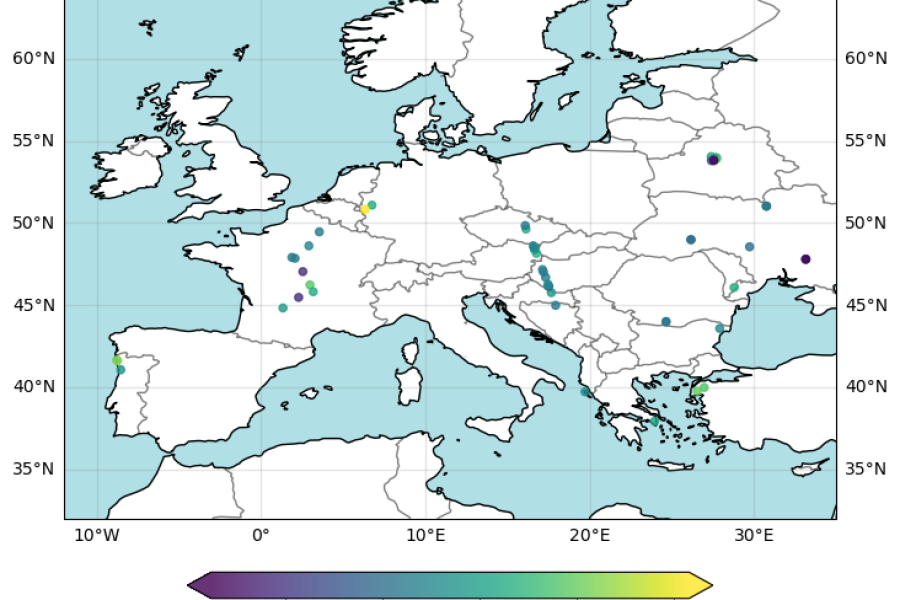
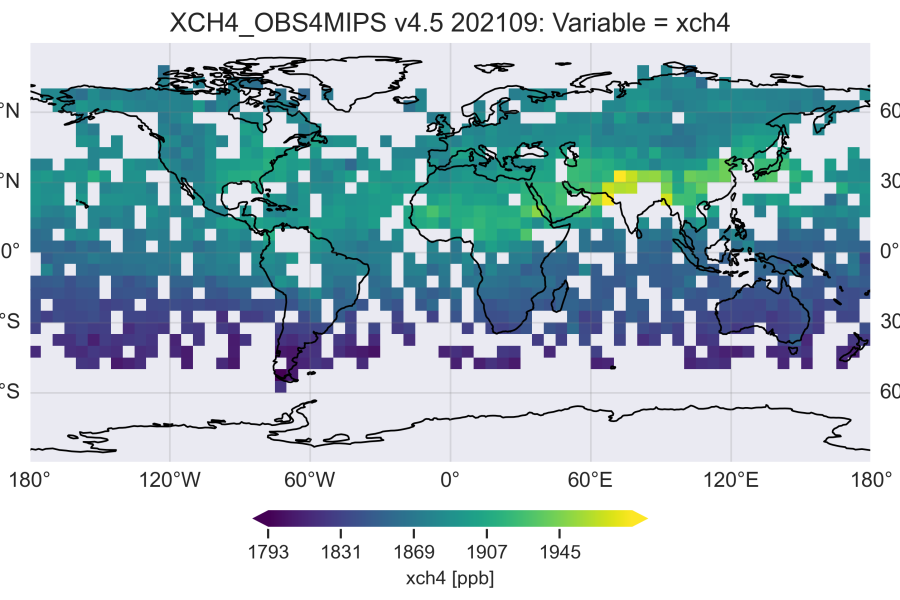
Access and use of satellite-derived Greenhouse Gas (GHG) atmospheric carbon dioxide (CO2) Level 2 data product.