
Datasets

A subset of ECMWF real-time forecast data from the IFS and AIFS models is made available to the public free of charge. Their use is governed by the Creative Commons CC-BY-4.0 licence and the ECMWF Terms of Use.
Interval/period: N/A
The Copernicus Climate Change Service (C3S) seasonal forecast service is based on data from several state-of-the-art seasonal prediction systems.
Interval/period: N/A
The DestinE Digital Twin for Climate Change Adaptation (Climate DT) supports adaptation activities through the provision of innovative climate information on multi-decadal timescales, at scales at which the impacts of climate change are observed.
Interval/period: N/A
The DestinE Digital Twin for Weather-Induced Extremes (Extremes DT) supports rapid decision-making in response to meteorological, hydrological and air quality extremes.
Interval/period: N/A
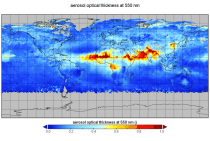
Interval/period: Thu, 06/01/1995 - Thu, 07/31/2025
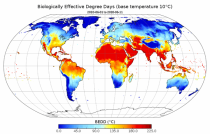
Interval/period: Mon, 01/01/1951 - Sun, 08/09/2026
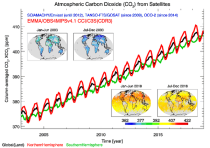
Interval/period: Tue, 10/01/2002 - Mon, 06/30/2025
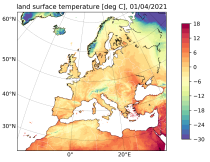
Interval/period: Sat, 09/01/1984 - Thu, 07/31/2025
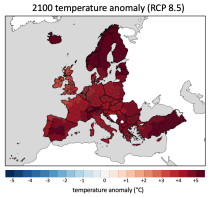
Interval/period: N/A
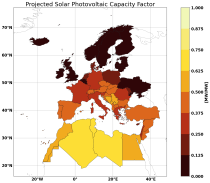
Interval/period: Sun, 01/01/1950 - Wed, 12/01/2100
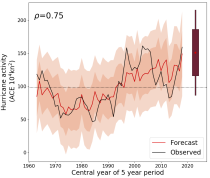
Interval/period: Sun, 01/01/1860 - Mon, 12/31/2300
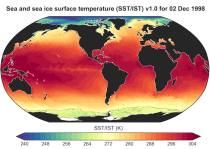
Interval/period: Fri, 01/01/1982 - Tue, 12/31/2024
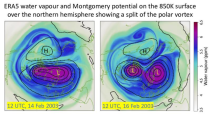
Interval/period: Sat, 01/01/1949 - Sun, 08/09/2026
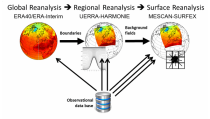
Interval/period: Thu, 10/18/2018 - Wed, 07/31/2019
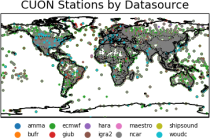
to contain all available observations from balloons ascents through the atmosphere.
The main geophysical variables are temperature, humidity, and wind speed and wind direction,
as functions of atmospheric pressure levels. The observation platforms include pilot balloons, radiosondes, and ozonesondes.
The main observation data sources are:
- the NOAA Integrated Global Radiosonde Archive (IGRA version 2),
- the NCAR Upper-Air Database (UADB), and
Interval/period: Tue, 01/01/1901 - Tue, 12/31/2024
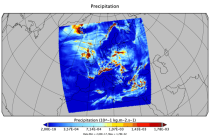
Interval/period: Sun, 01/01/1950 - Fri, 12/31/2100
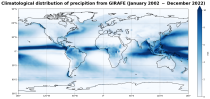
Interval/period: Tue, 01/01/2002 - Sat, 12/31/2022
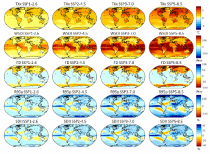
Interval/period: N/A
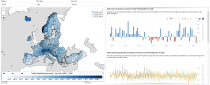
Interval/period: Mon, 01/01/1940 - Fri, 12/31/2100
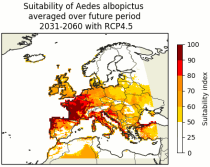
Interval/period: N/A
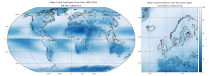
Interval/period: Mon, 01/01/1979 - Mon, 06/30/2025
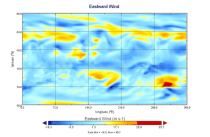
Interval/period: Sun, 01/01/1860 - Mon, 12/31/2300
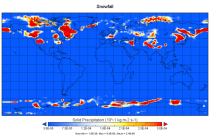
Interval/period: Wed, 01/01/1800 - Fri, 12/31/2100
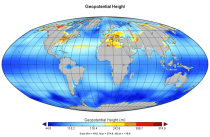
Interval/period: Sun, 01/01/1860 - Mon, 12/31/2300
Interval/period: Sun, 01/01/1860 - Mon, 12/31/2300