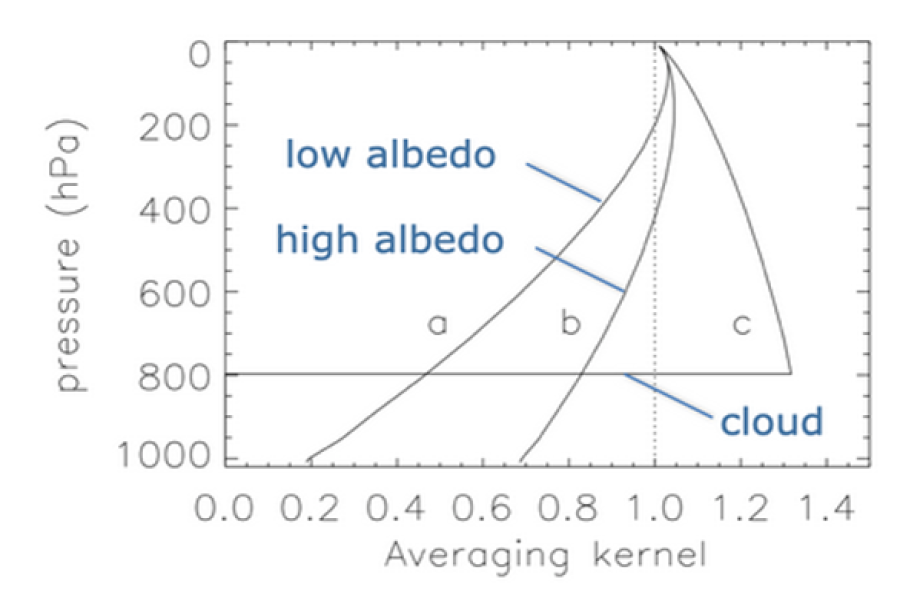
Introducing the theory of comparing satellite retrievals with model fields using averaging kernels and operators.
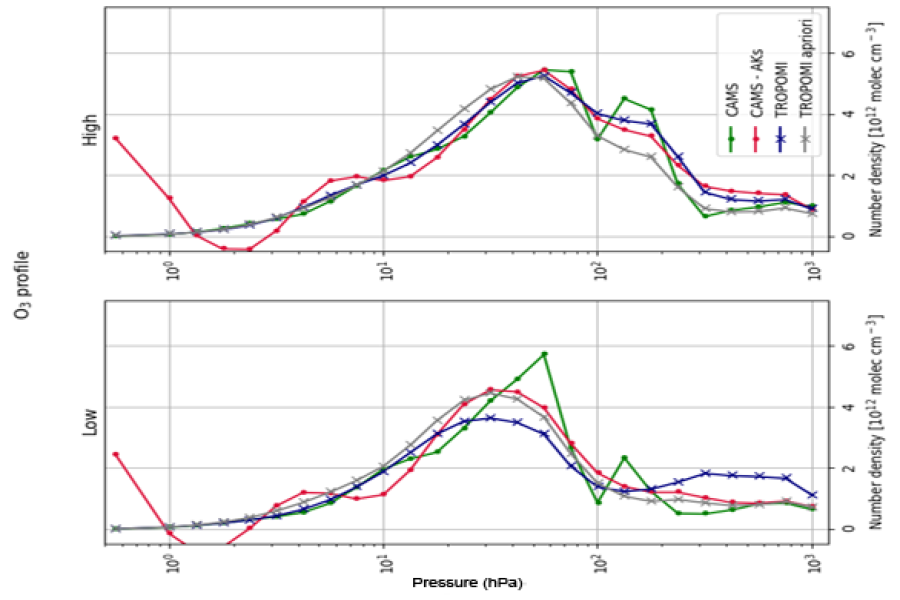
Analysing TROPOMI ozone profiles using averaging kernels to compare satellite retrievals with model vertical structure.
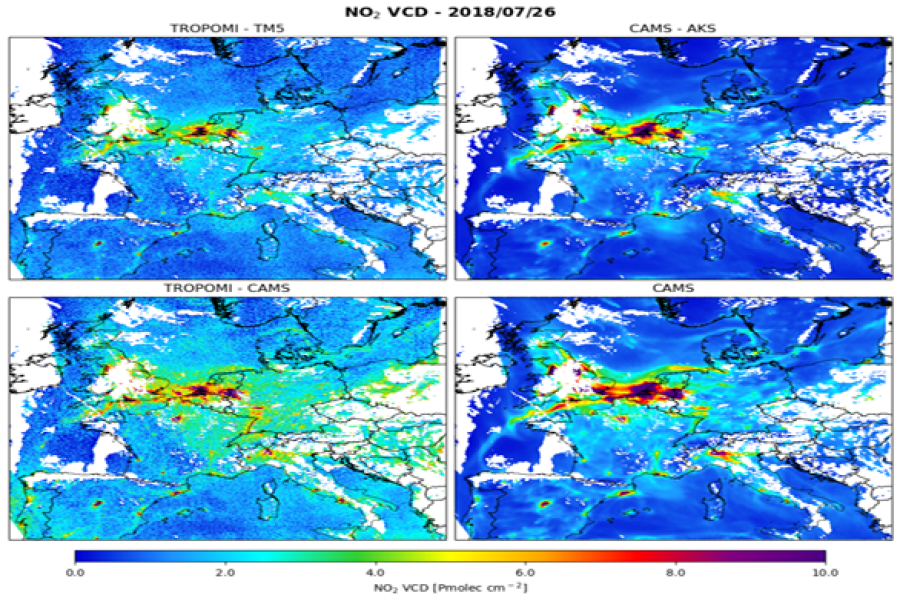
Comparing TROPOMI NO₂ observations with CAMS regional fields to assess spatial patterns and air-quality variability.
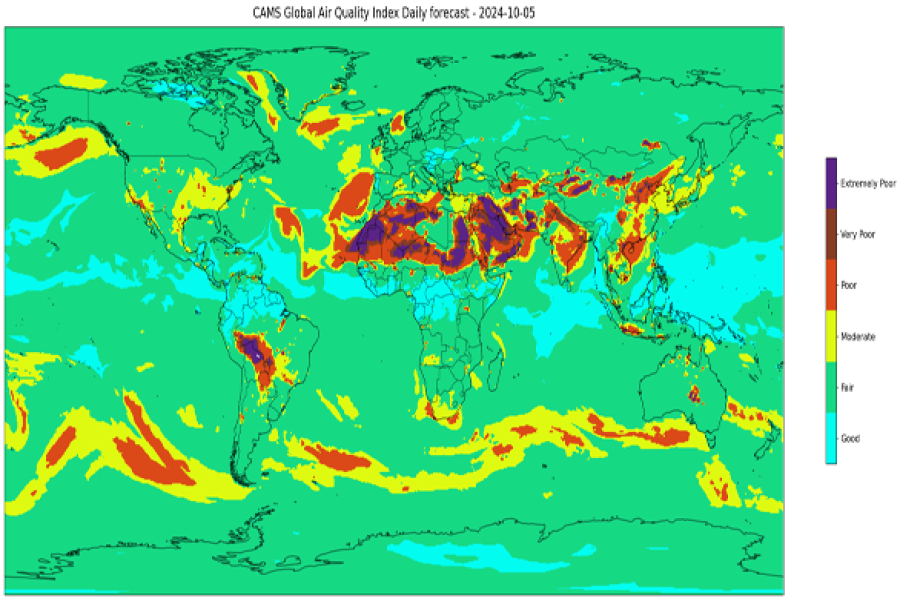
Computing and visualising the global AQI from CAMS pollutants to assess air-quality conditions worldwide.
This lesson covers key processes in ice and mixed-phase clouds and precipitation, and parametrization uncertainties.
This lesson will take you through what convection is and the phenomena it causes.
This lesson looks at the three classes of parametrization schemes and the main characteristics of the IFS scheme.
Explore the key microphysical and warm-phase processes of cloud and precipitation parametrisation and their use in NWP.