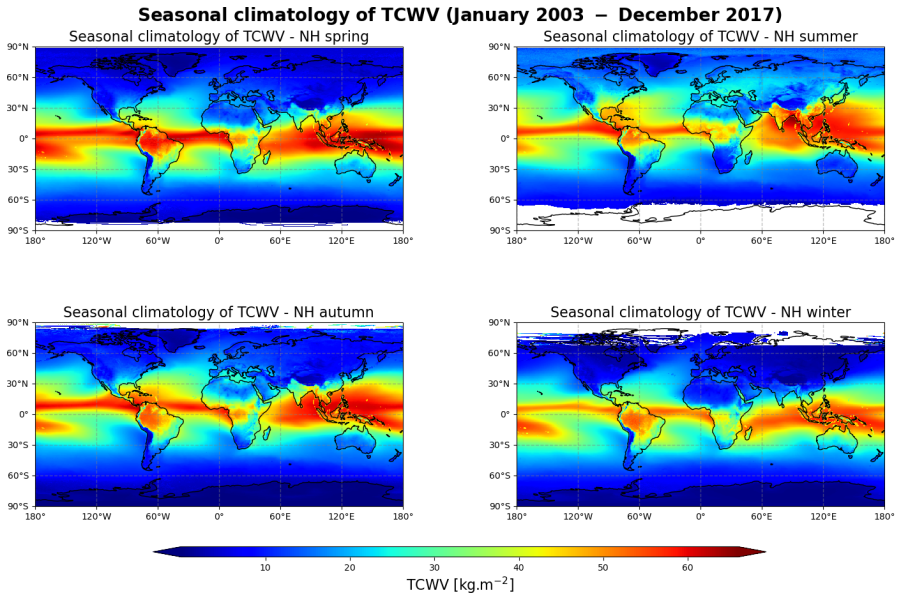
Combined global near-infrared and microwave imager total column water vapour data for climate studies. Use, visualization and analysis
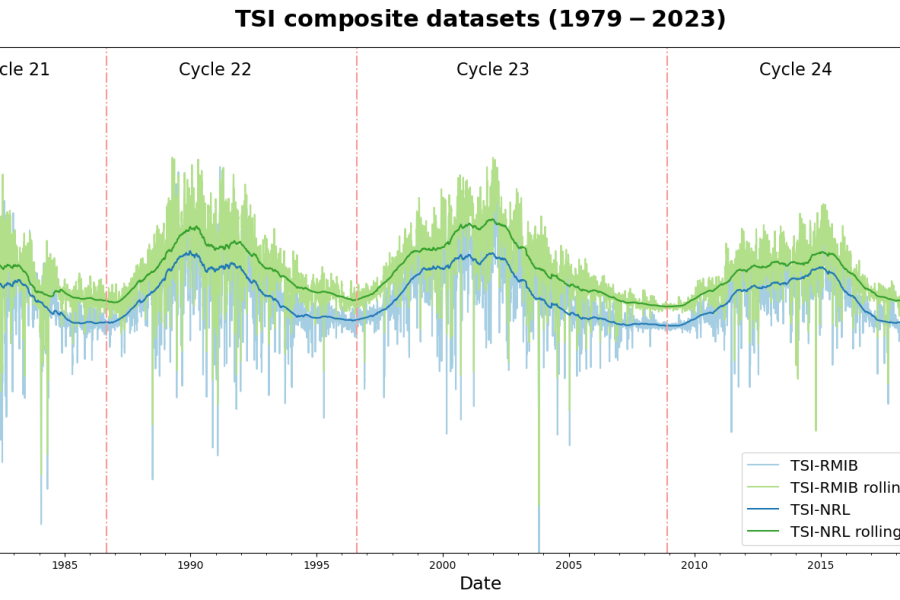
Introduction to Total Solar Irradiance (TSI) data. Data access, preparation and plotting. Two practical use cases.
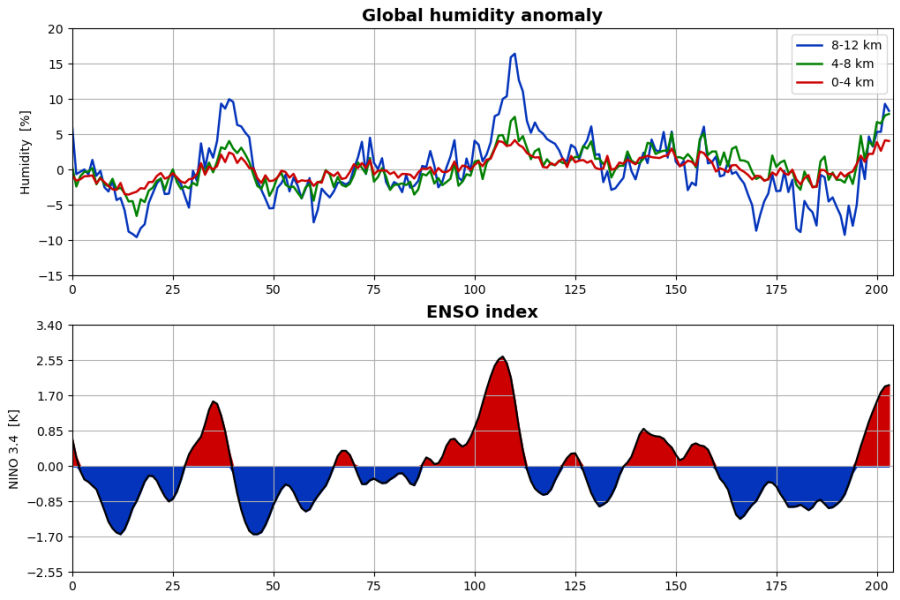
Monthly-mean tropospheric humidity data. Access and inspection of physical variables and data structures. Data visualization
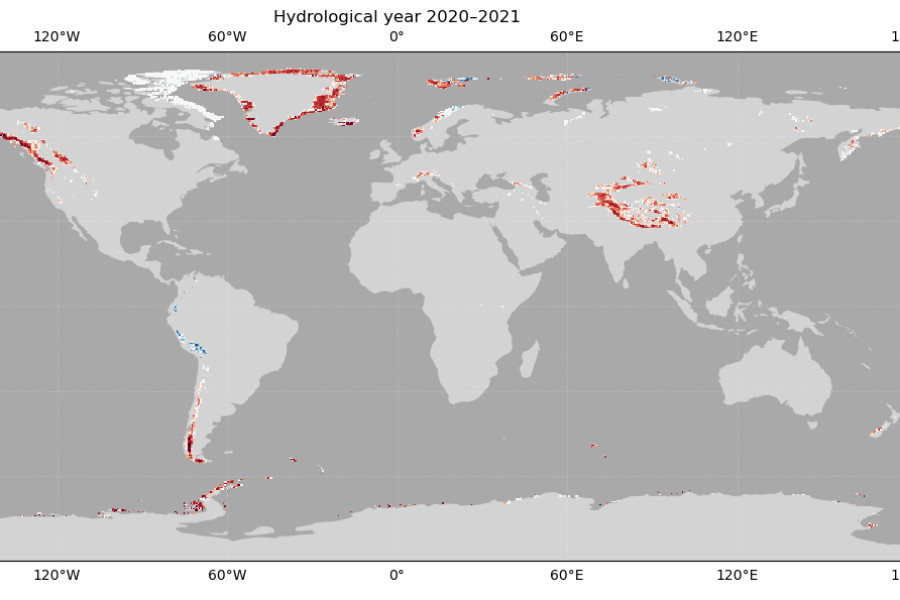
Glacier mass change dataset from the CDS: inspection, plotting and animation of the time series of the annual gridded files
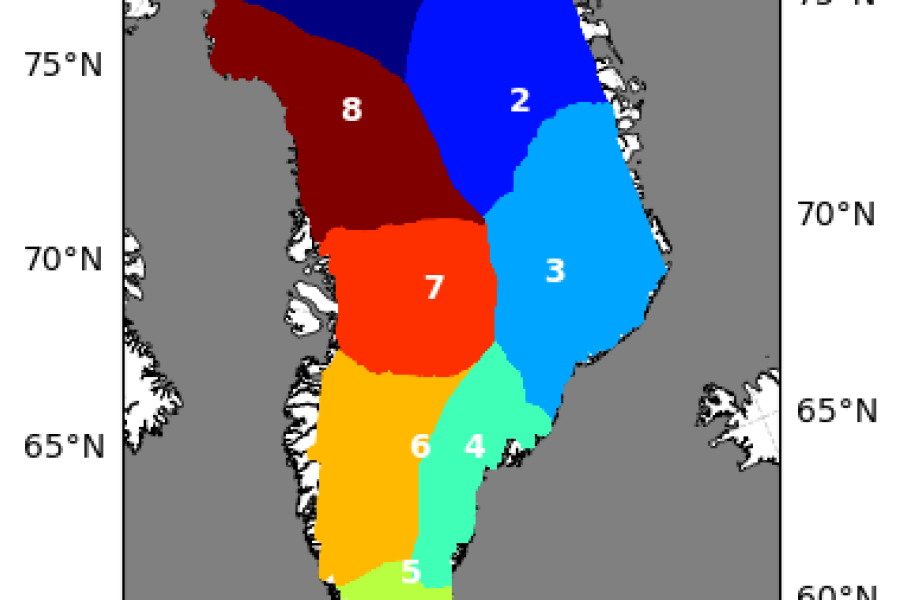
Gravimetric Mass Balance data for selected regions. Download, calculation and display average change rates over time.
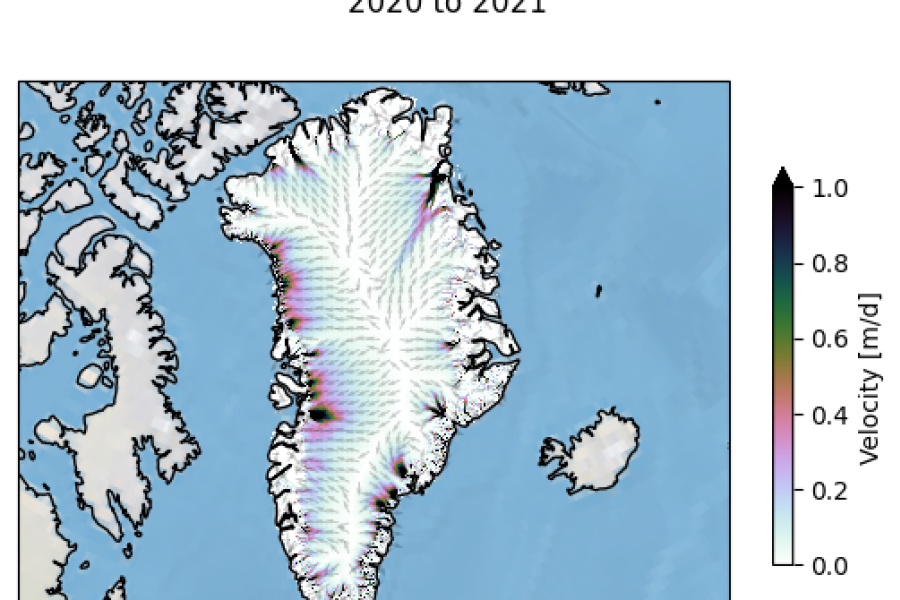
Plotting velocity maps and flow vectors of the Greenland Ice Sheet and its major outlet glaciers, using ice velocity data
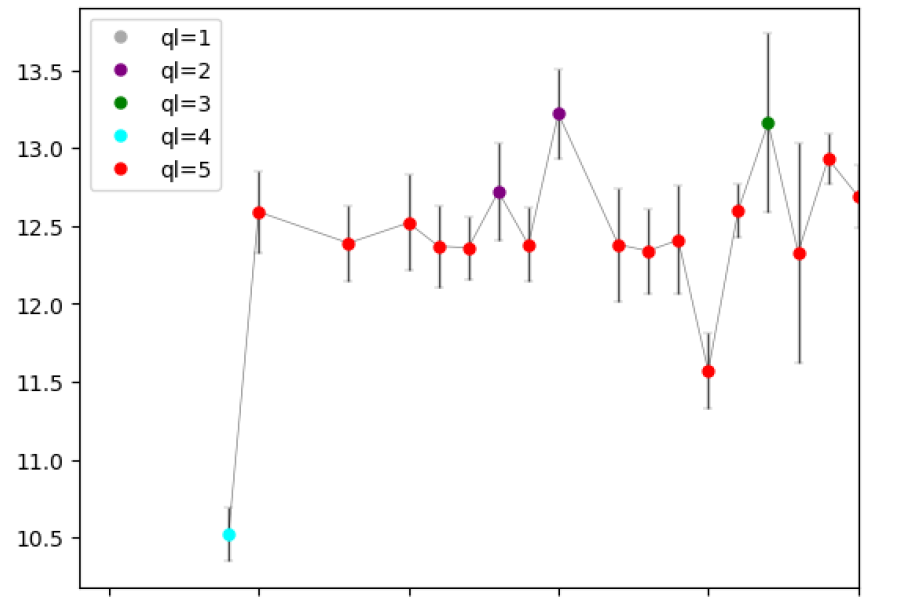
LSWT from satellite radiometers: download and extraction; visualization of timeseries and location of the lake centre; quality and uncertainty
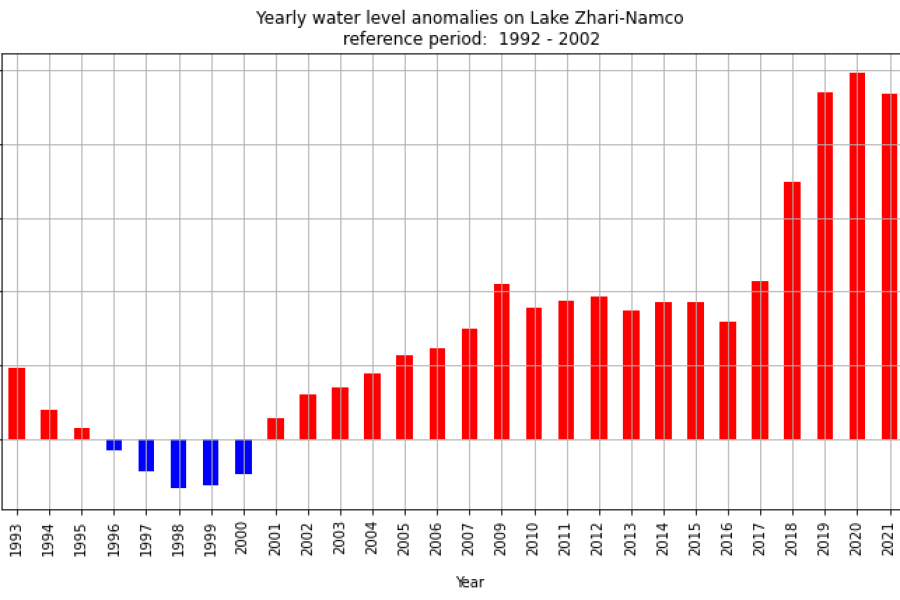
How to access the water level data for a specified lake and how to visualise its timeseries and yearly water level anomalies
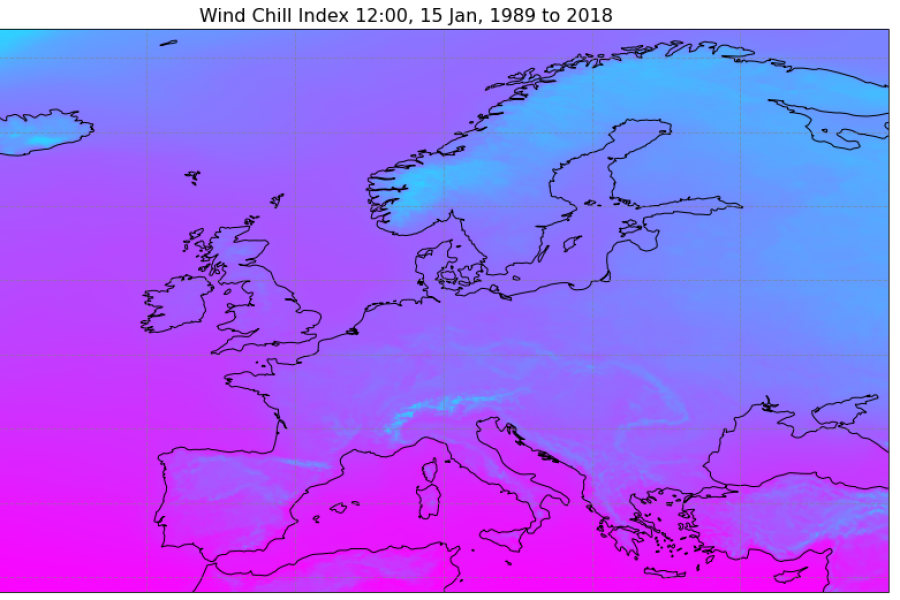
How to combine multiple variables of climate data to create an index: wind speed index as an example
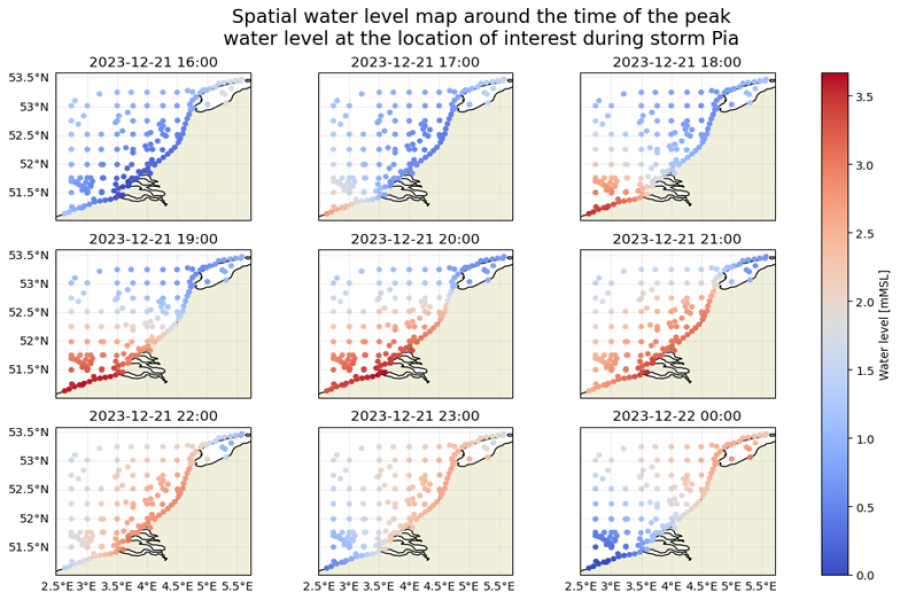
GTSM reanalysis experiment data are used to explore historical storm events.
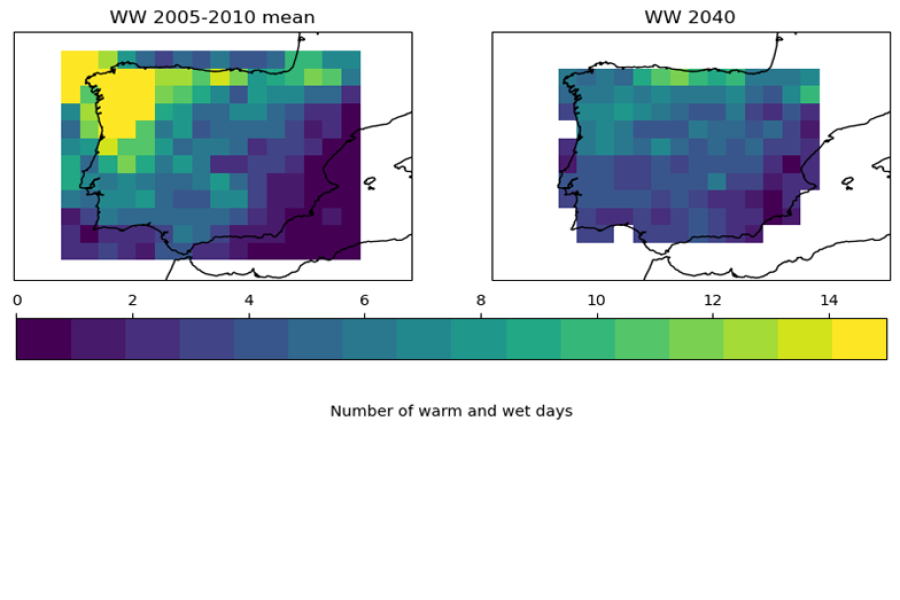
How to use data from CDS to compute an agroclimatic indicator, specifically, the "Warm and wet days" (WW) indicator
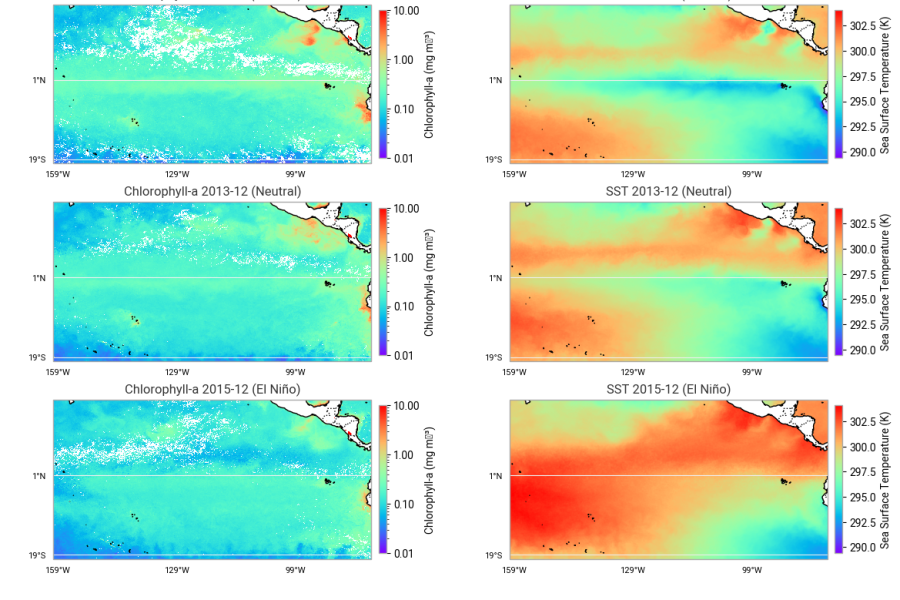
OC and SST datasets from CDS: subset and download, visualise time series, aggregate daily to monthly, calculate anomalies