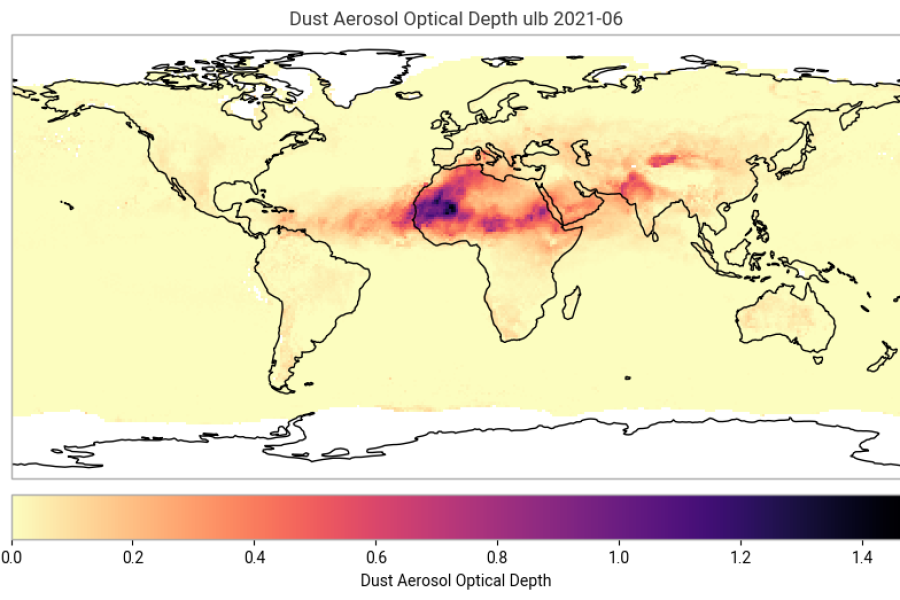
Introduction to the C3S Aerosol properties gridded data derived from satellite. Use cases for monthly mean single sensor data.
Access and use of satellite-derived Greenhouse Gas (GHG) atmospheric carbon dioxide (CO2) Level 2 data product.
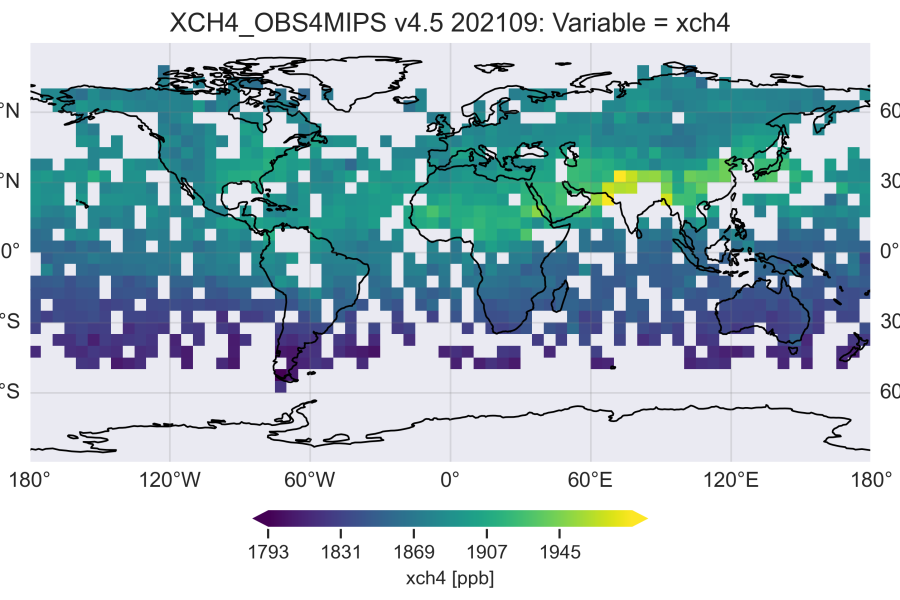
How to access, read and use Greenhouse Gas atmospheric carbon dioxide and methane data: temporal and spatial variation.
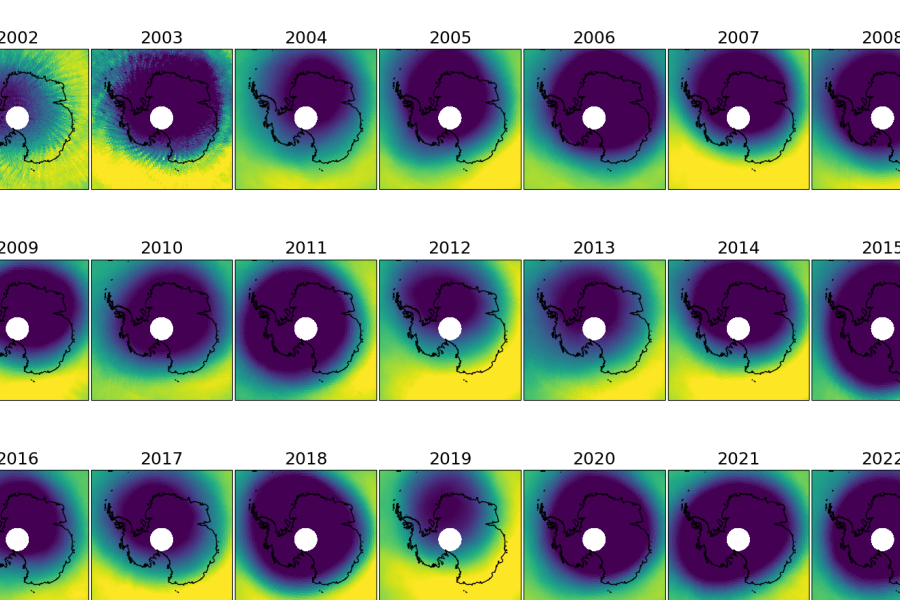
Spatial and temporal ozone distribution of the total ozone columns. Retrieval of the data and analysis.
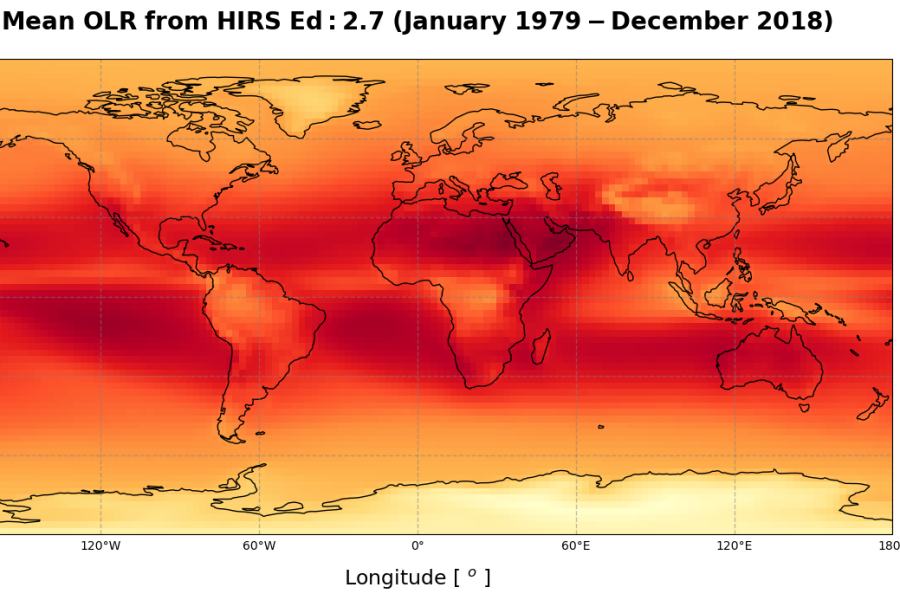
Introduction to the ECV Earth Radiation Budget, Outgoing Longwave Radiation (OLR) and three use cases
Cloud and radiation parameters of EUMETSAT's CM SAF CLARA-A3 dataset. Connection between clouds and radiation.
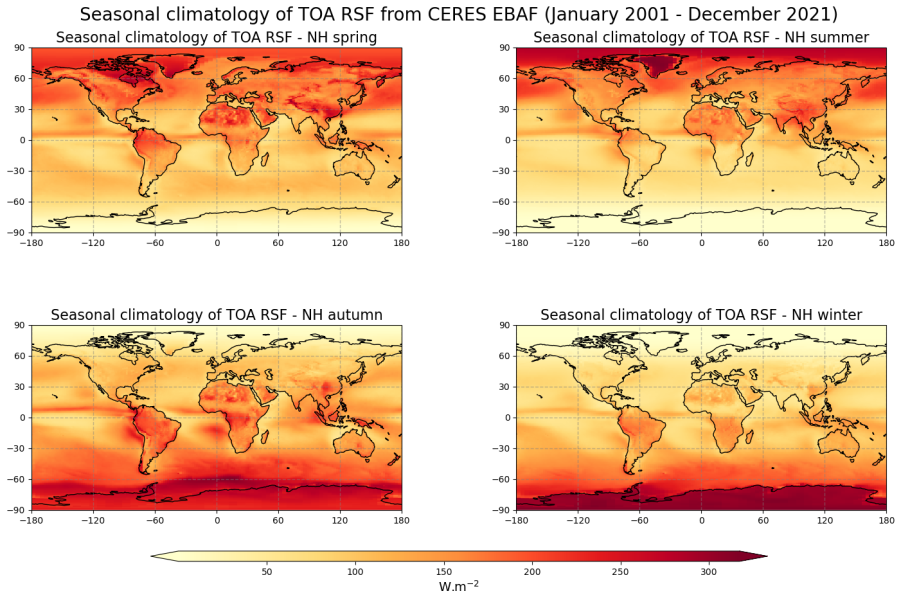
Using Cloud and Earth's Radiant Energy System Energy Balanced and Filled Earth's Radiation Budget data for climate studies
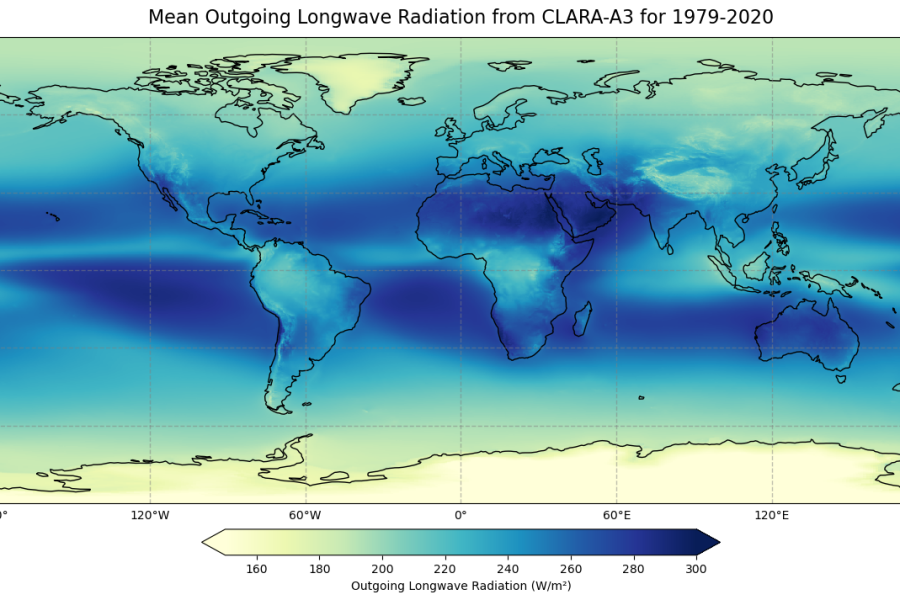
Earth radiation (top of atmosphere) parameters of EUMETSAT's CM SAF CLARA-A3. Access, process and visualize the data.
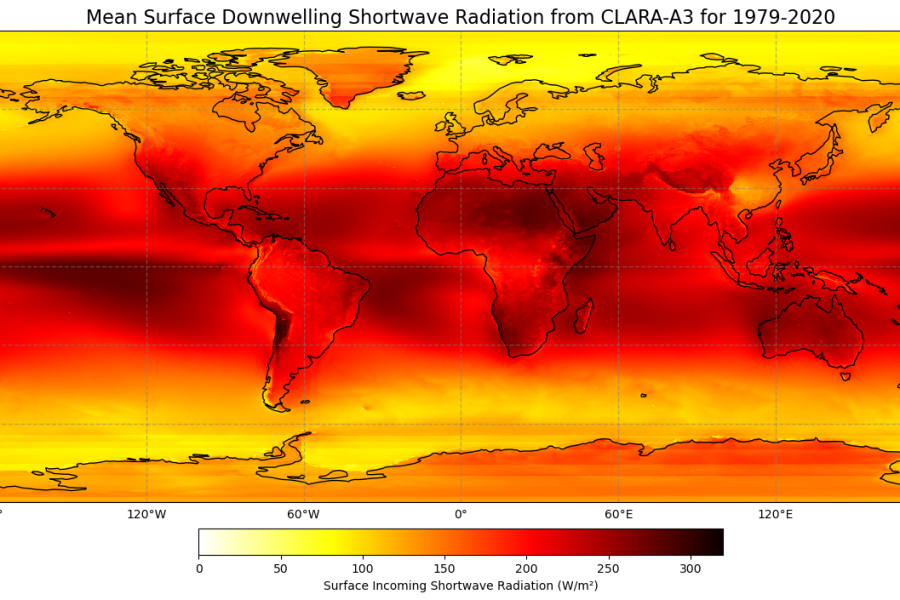
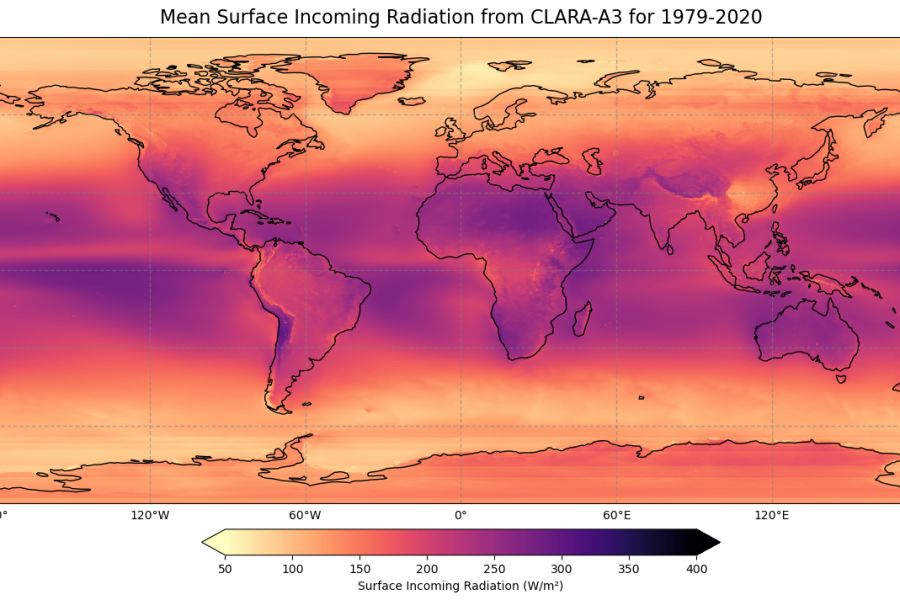
ECV Surface Radiation Budget. Scratch, access and step-by-step guide on how to process and visualize the data
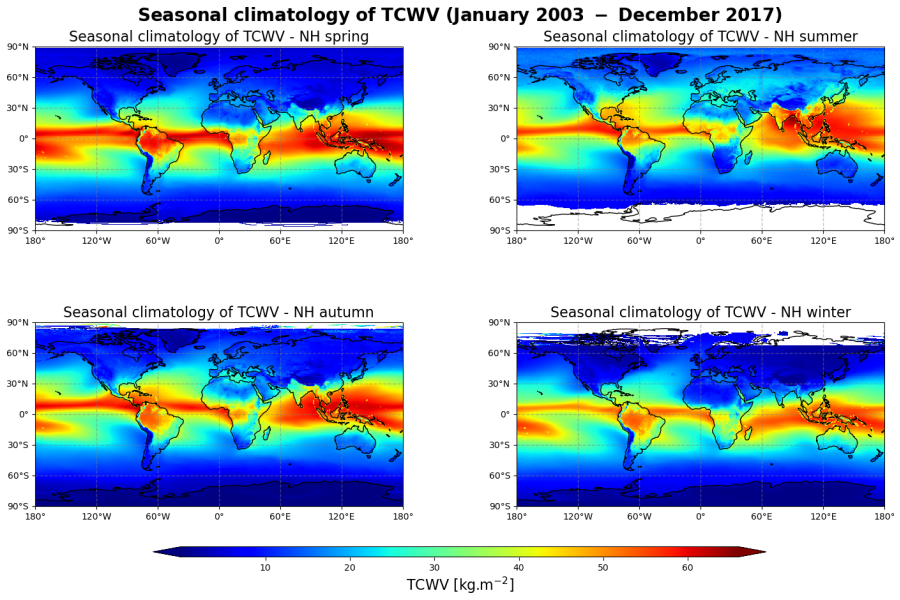
Combined global near-infrared and microwave imager total column water vapour data for climate studies. Use, visualization and analysis
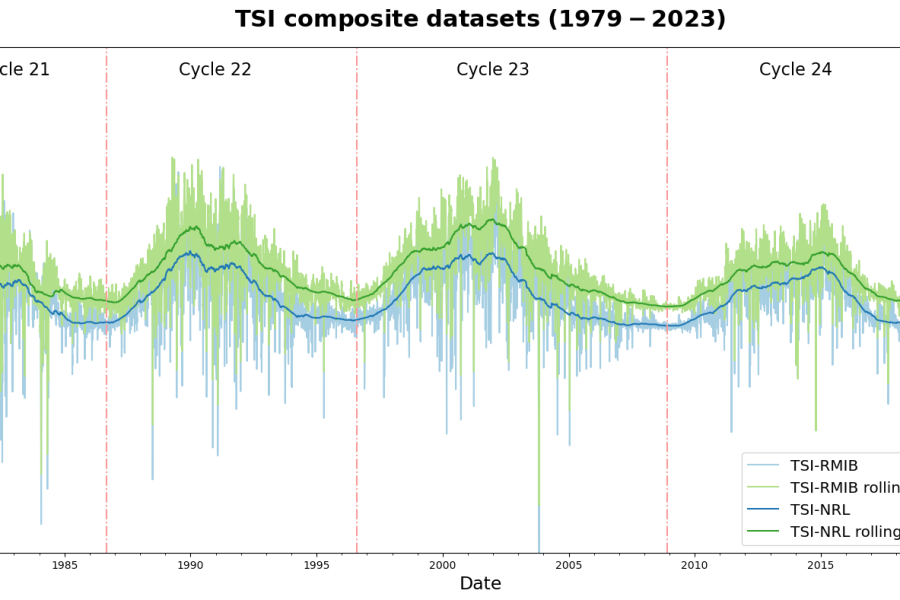
Introduction to Total Solar Irradiance (TSI) data. Data access, preparation and plotting. Two practical use cases.
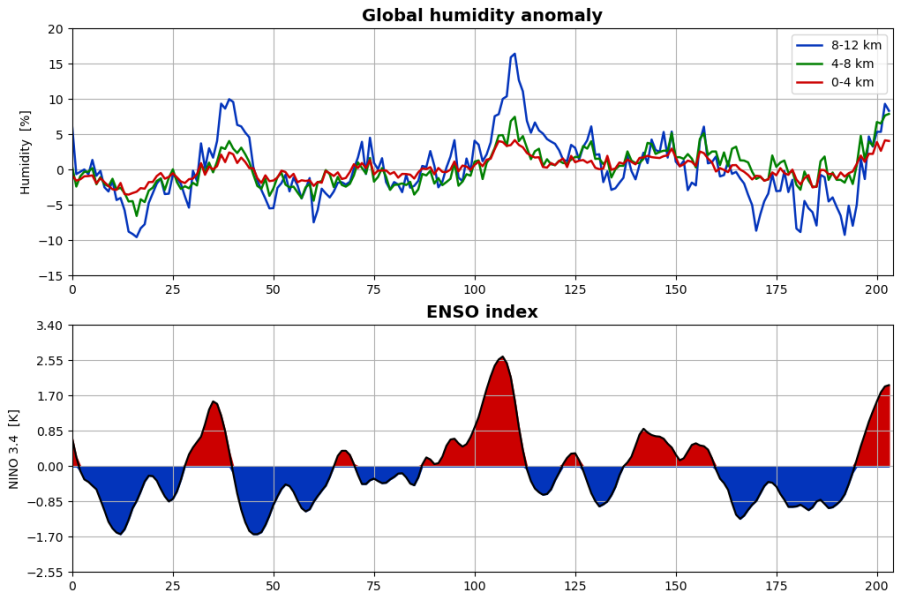
Monthly-mean tropospheric humidity data. Access and inspection of physical variables and data structures. Data visualization