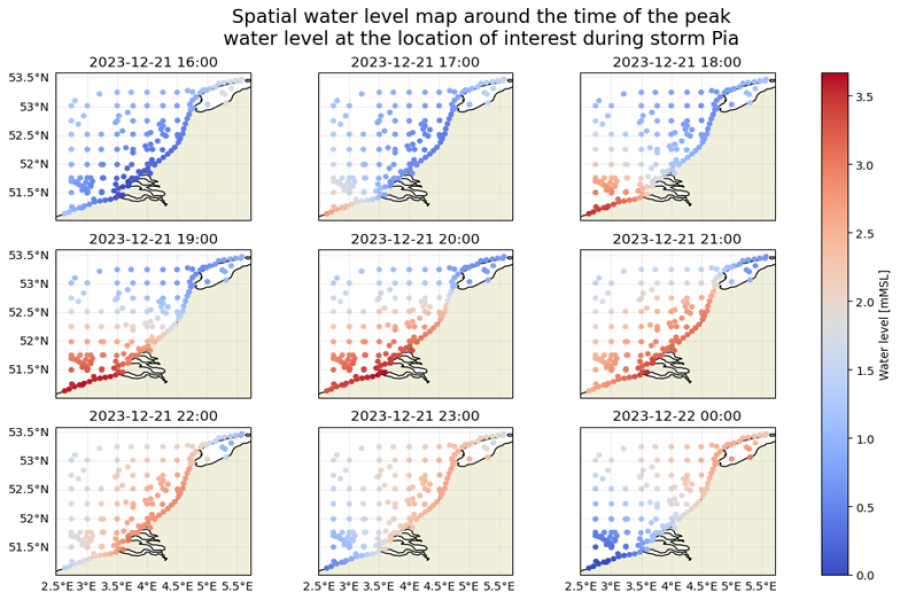
GTSM reanalysis experiment data are used to explore historical storm events.
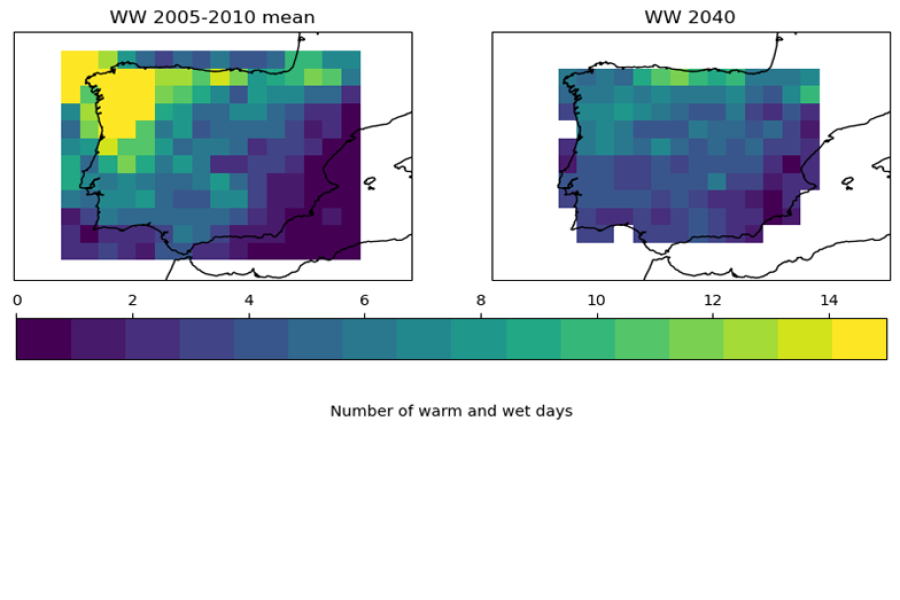
How to use data from CDS to compute an agroclimatic indicator, specifically, the "Warm and wet days" (WW) indicator
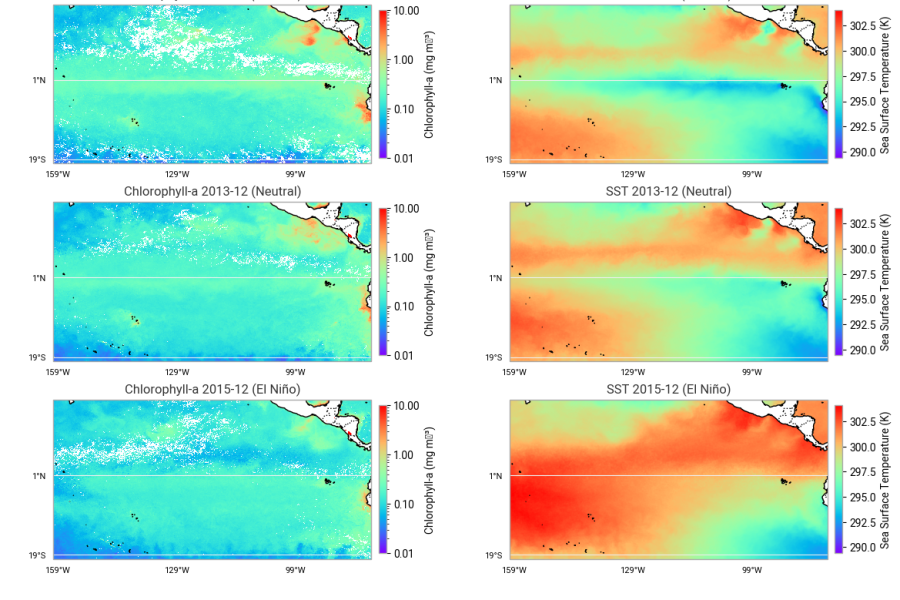
OC and SST datasets from CDS: subset and download, visualise time series, aggregate daily to monthly, calculate anomalies
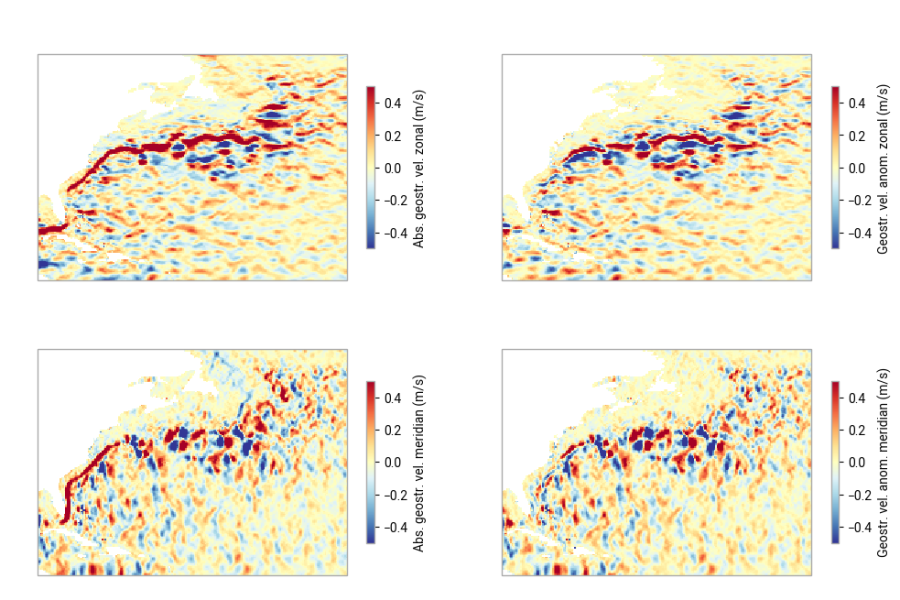
Practical introduction to the Sea level gridded data: plotting data during an El Niño event and over a strong current
Surface Albedo product. Three case studies: data retrieval, visualisation, time-series creation, set up Python environment
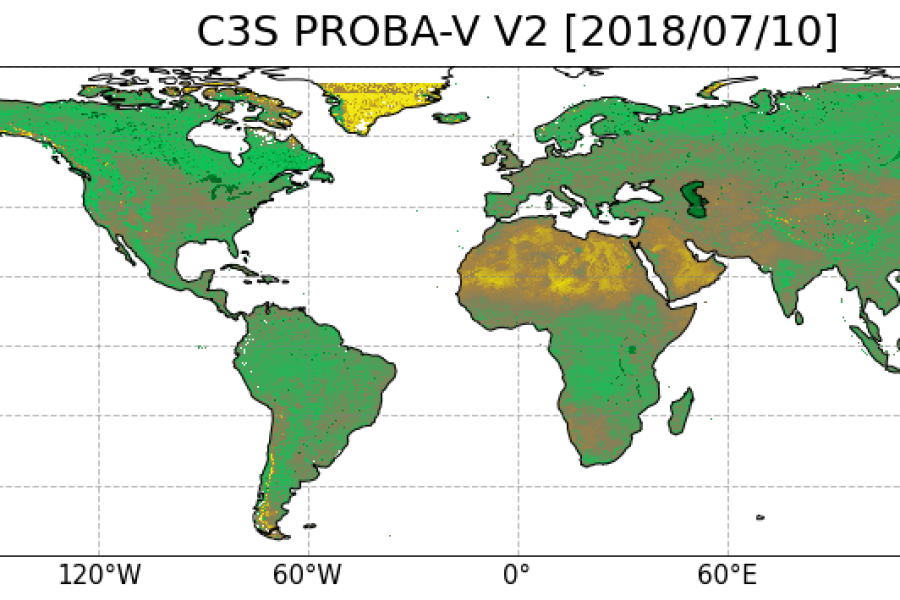
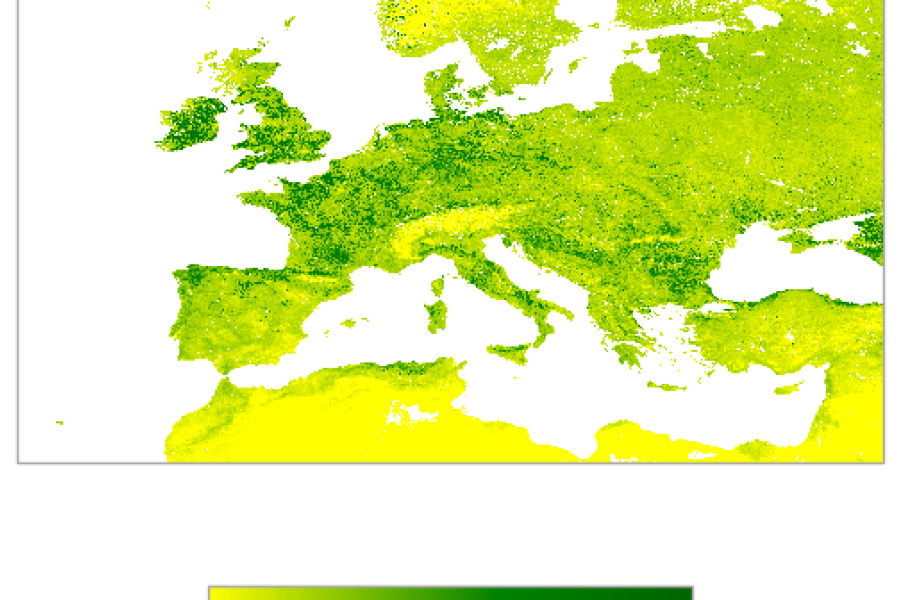
LAI and fAPAR retrieved with satellite remote sensing. Computation of inverse variance weights
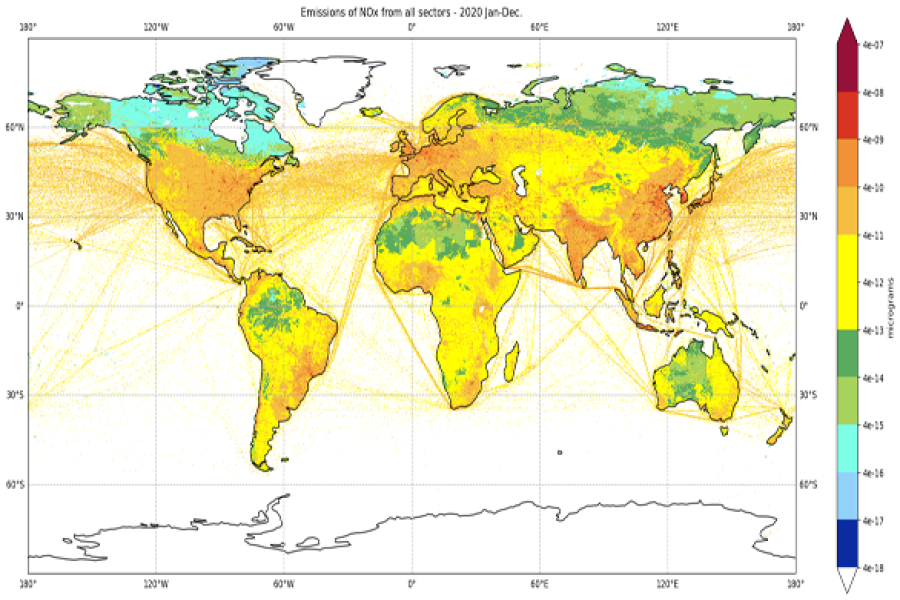
Investigating and visualising CAMS NOx anthropogenic and natural emissions inventories.
Evaluating CAMS global aerosol forecasts by comparing model AOD with AERONET observations at selected sites.
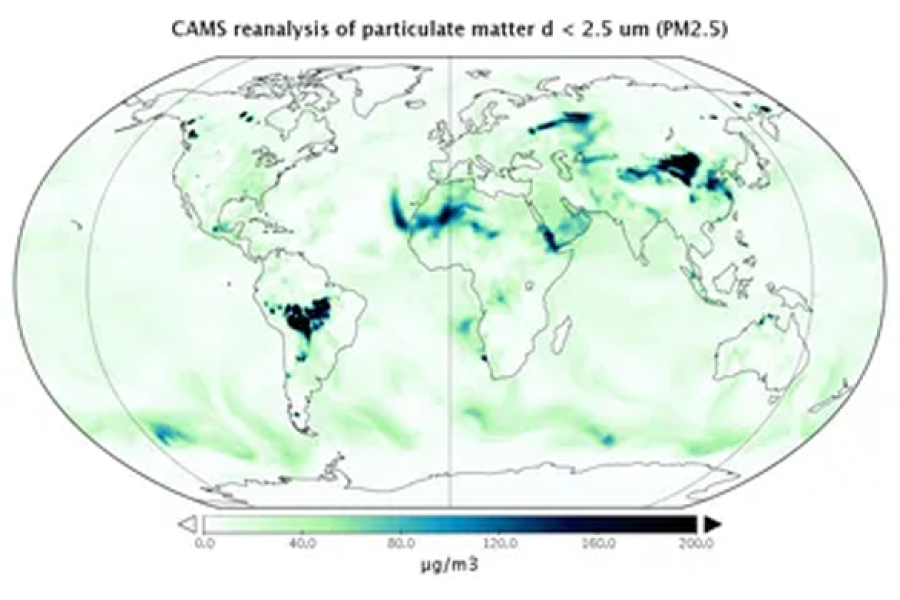
Exploring CAMS global reanalysis fields to study atmospheric composition, trends, and long-term variability.
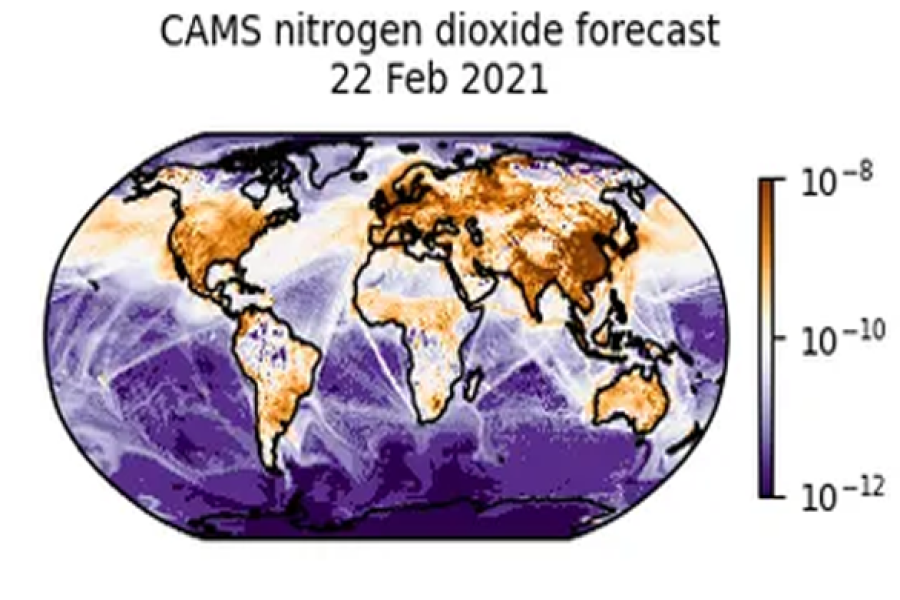
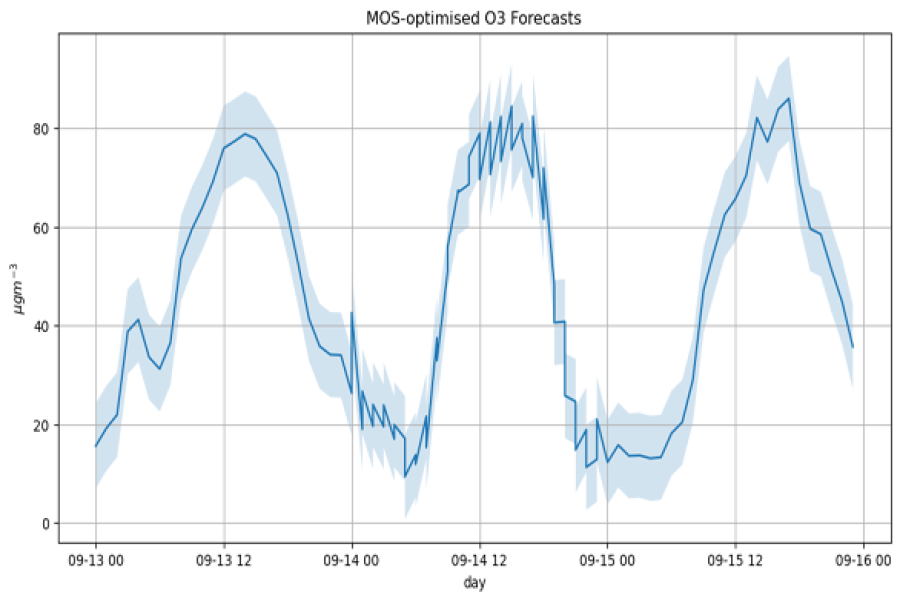
Exploring bias in CAMS forecasts using observations and introducing how MOS helps address systematic errors.
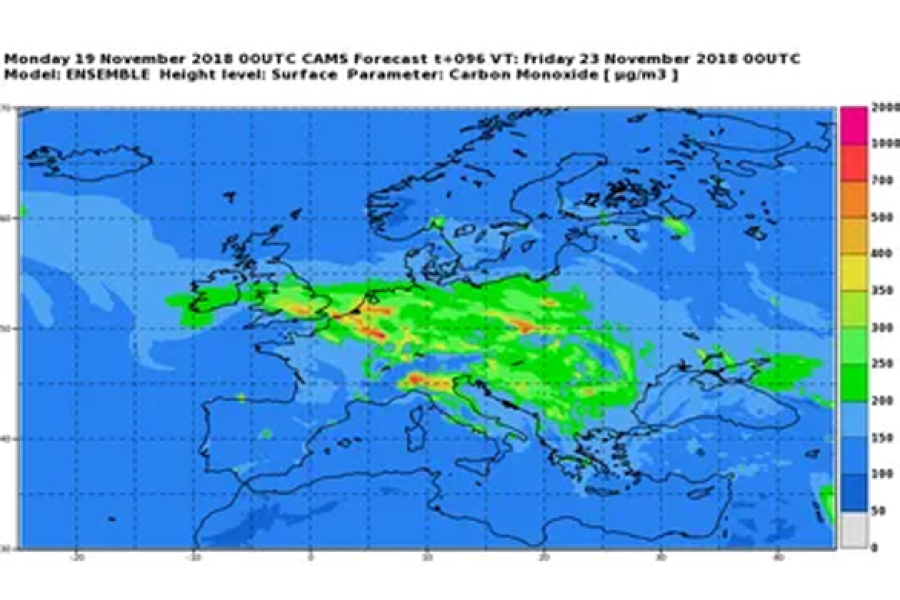
Investigating CAMS regional air-quality forecasts to examine high-resolution pollutant fields and time series.
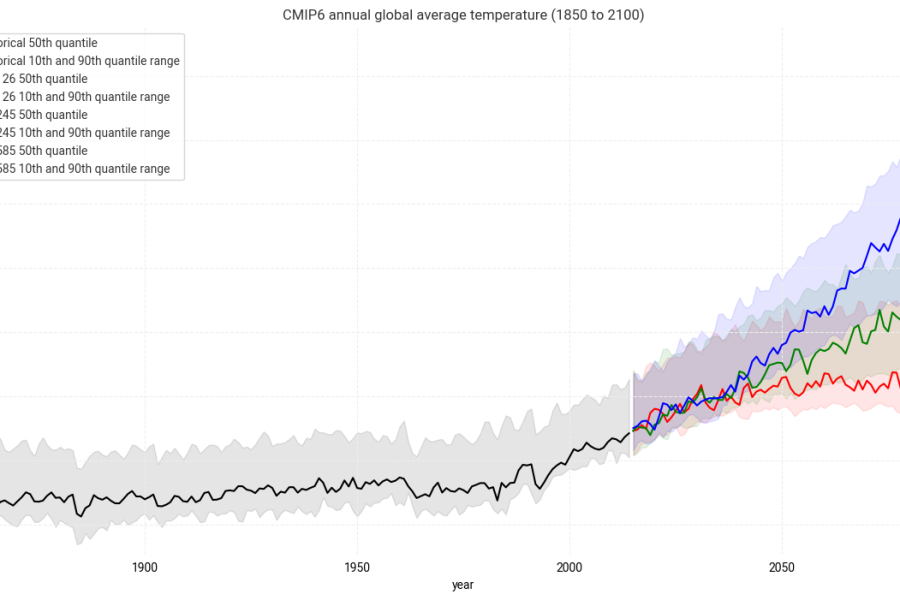
Access CMIP6 global climate projections from the C3S Climate Data Store, plot projected 2m temperature from model ensemble.