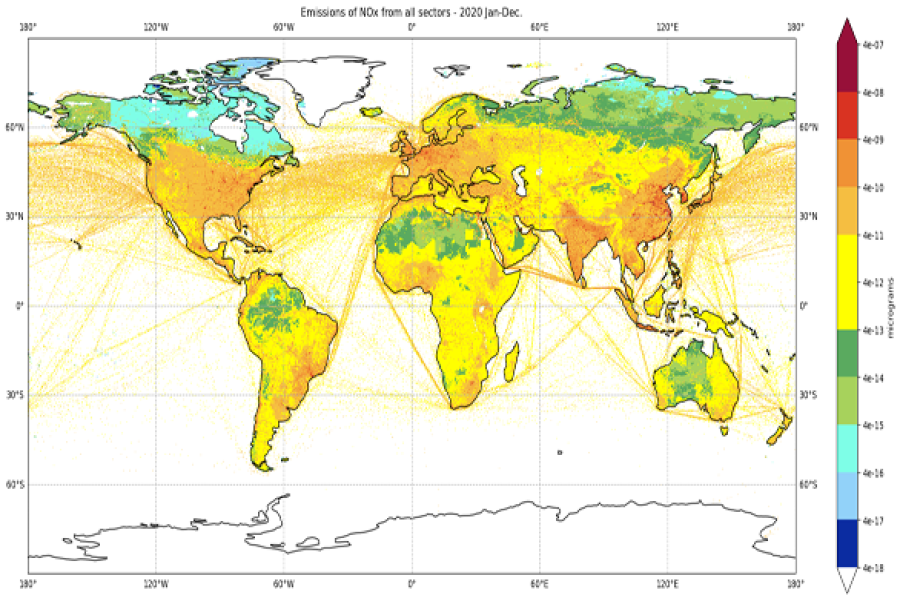
Investigating and visualising CAMS NOx anthropogenic and natural emissions inventories.
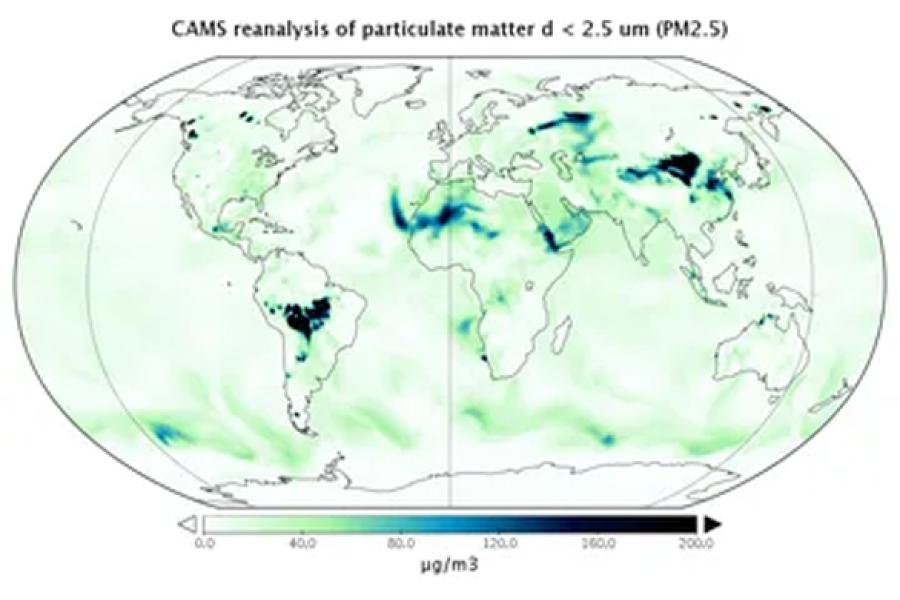
Evaluating CAMS global aerosol forecasts by comparing model AOD with AERONET observations at selected sites.
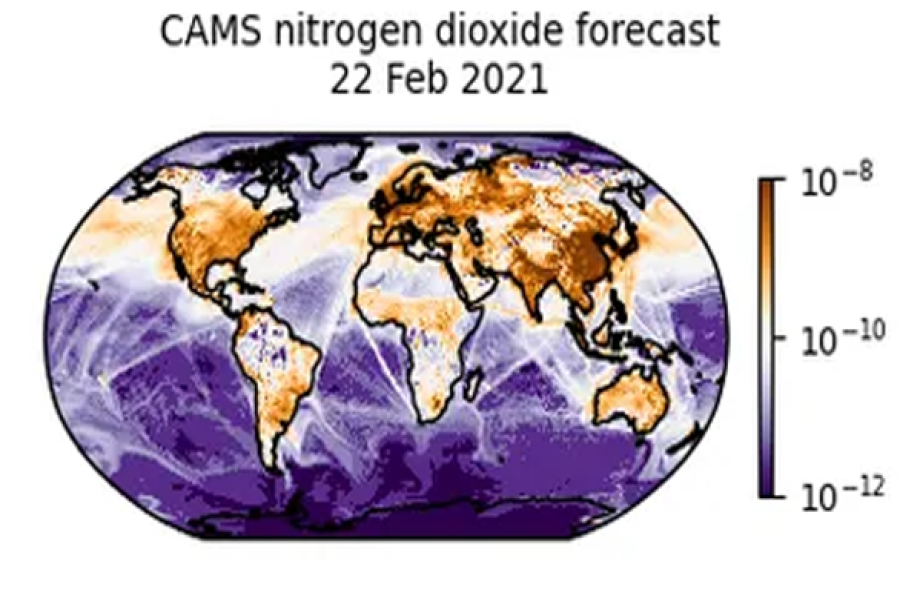
Exploring CAMS global reanalysis fields to study atmospheric composition, trends, and long-term variability.
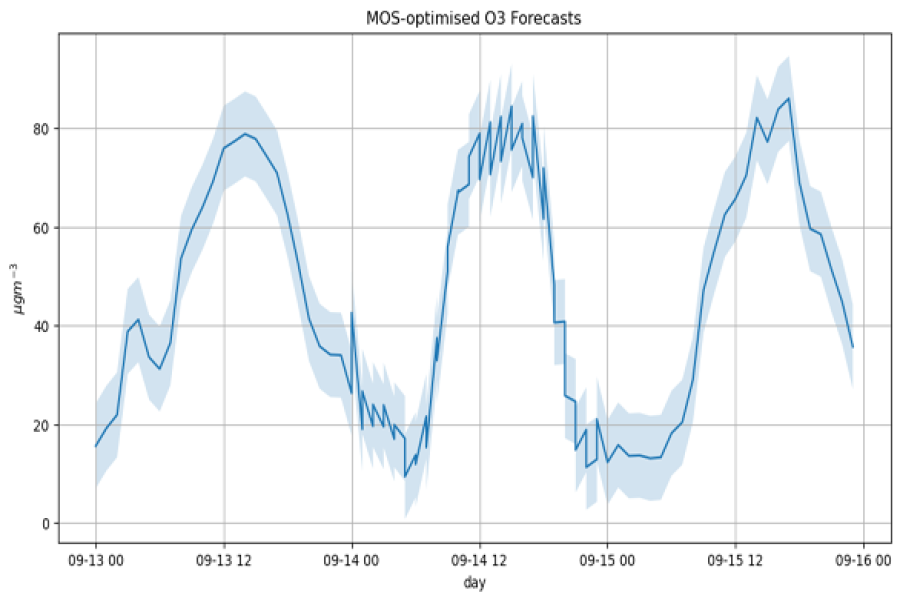
Exploring bias in CAMS forecasts using observations and introducing how MOS helps address systematic errors.
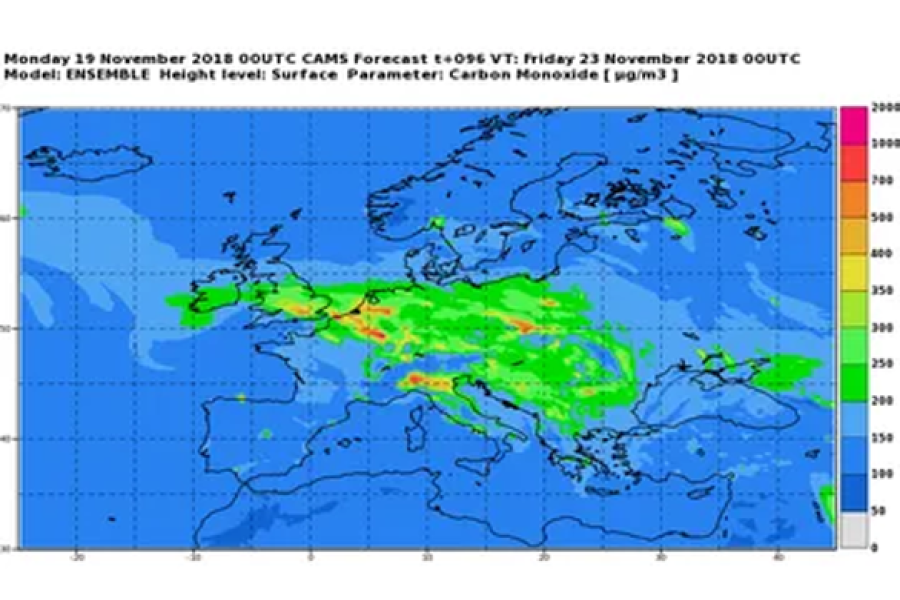
Investigating CAMS regional air-quality forecasts to examine high-resolution pollutant fields and time series.
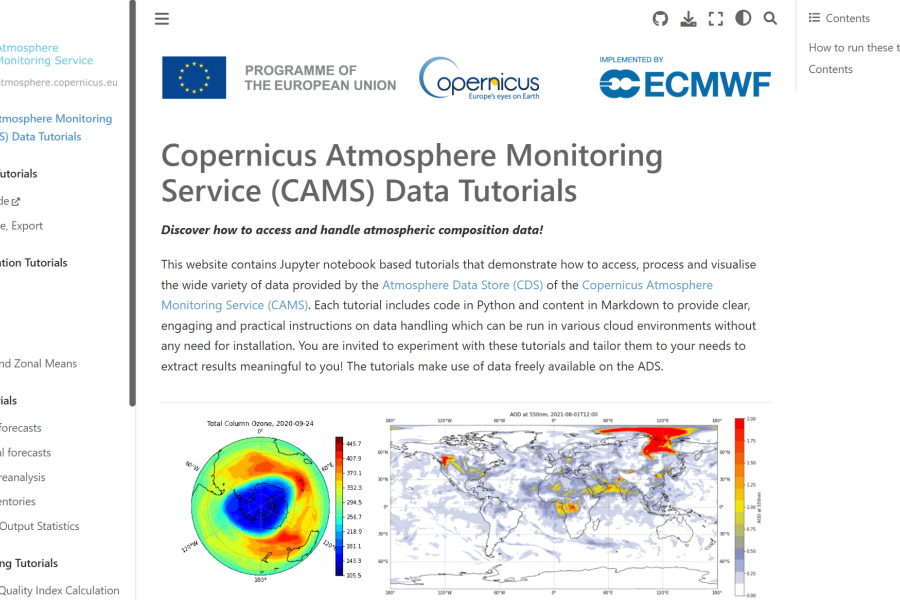
Jupyter notebook based tutorials that demonstrate how to access and handle atmospheric products available through CAMS.
Learn about sources of error in NWP, how they are quantified, and how ensembles are evaluated.
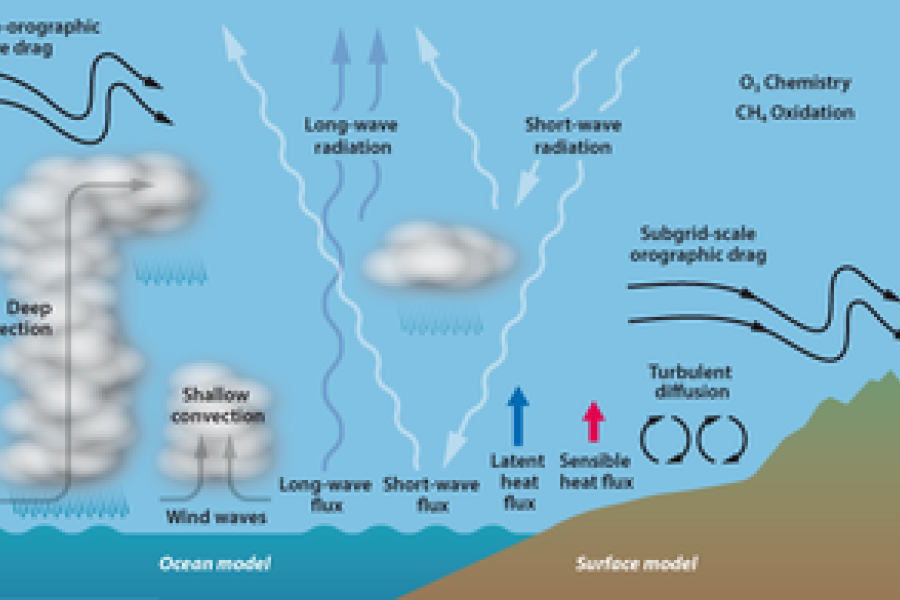
Learn how sub-grid-scale processes (not explicitly simulated in NWP), are parameterised and how challenges are overcome.
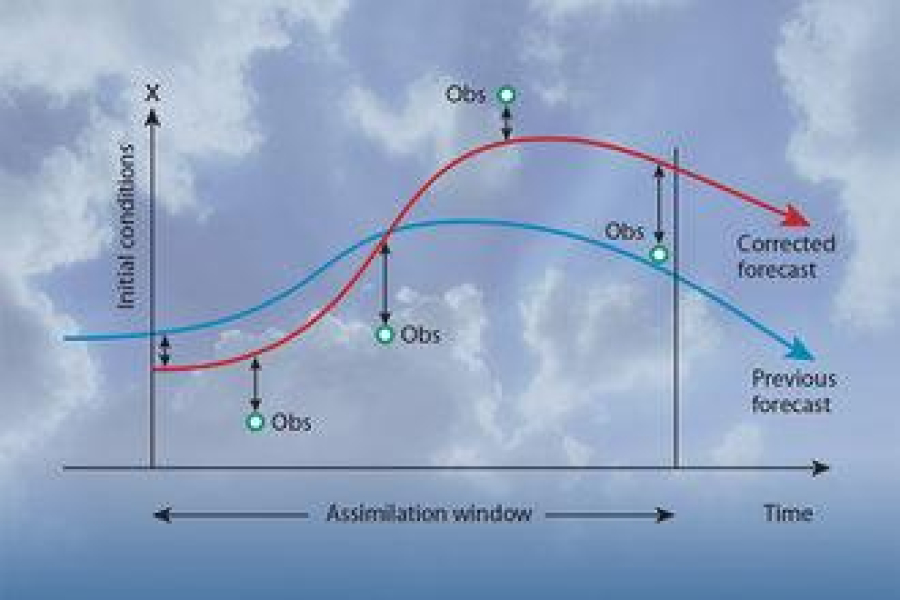
Learn about data assimilation and how it is used to define ‘optimal' initial conditions for NWP at ECMWF.
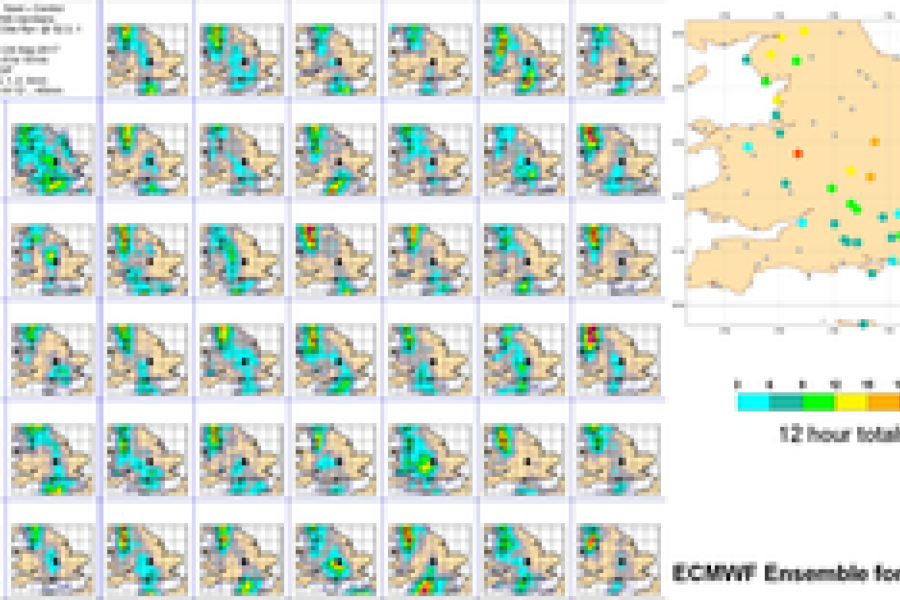
Learn about uncertainties and chaotic behaviour in NWP, why ensembles are needed and how they are used at ECMWF.
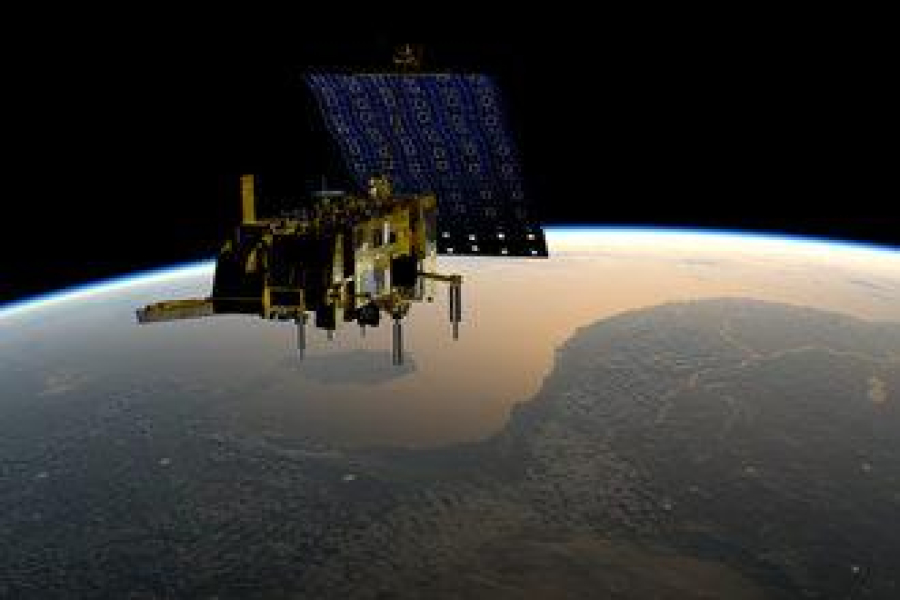
Learn about the role of satellite observations and measurements, and how these are assimilated and monitored for NWP.
Learn about the ways in which forecast jumpiness can appear and how it can be mitigated.