Applications and Future Directions Online training course 3Cutting edge applications of ML in weather and climate science ...
Architectures, Data, and Prediction Online training course 2ML workflows from theory to practice 01 June 20...
Foundations and New Frontiers Online training course 1From foundations to hands-on applications! 16 March 2026 ...
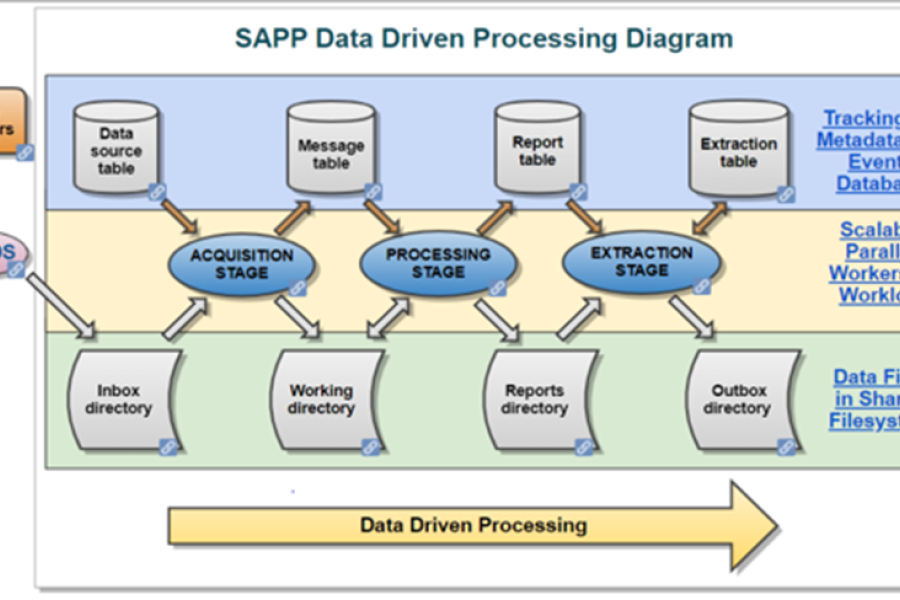
The SAPP system is the ECMWF's operational acquisition and pre-processing system for observations and other input data.
This lesson covers key processes in ice and mixed-phase clouds and precipitation, and parametrization uncertainties.
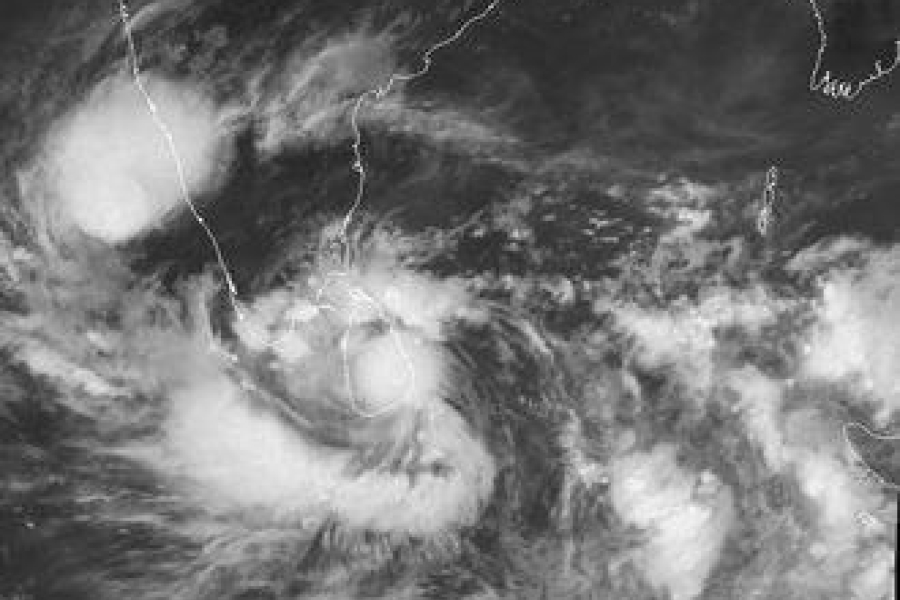
This lesson will take you through what convection is and the phenomena it causes.
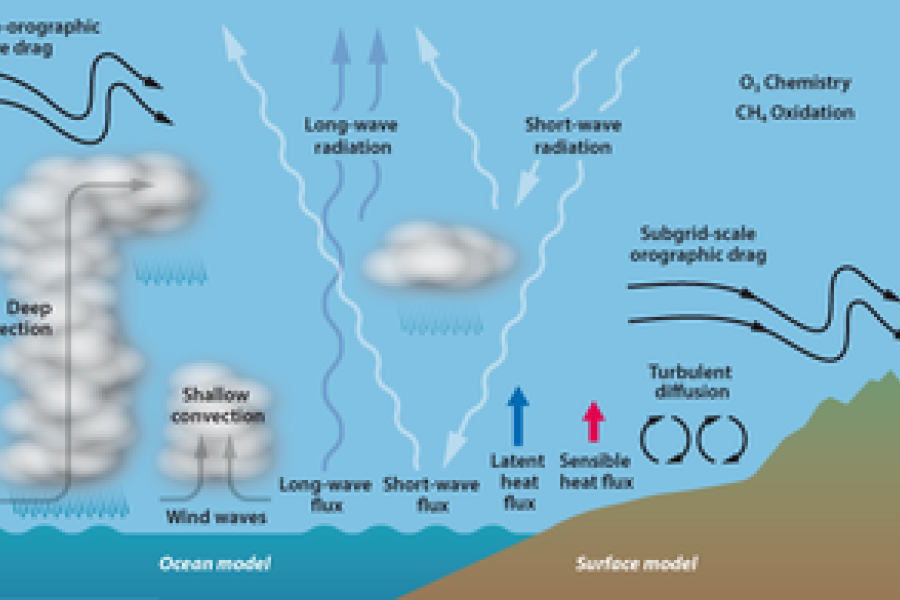
This lesson looks at the three classes of parametrization schemes and the main characteristics of the IFS scheme.
Learn about sources of error in NWP, how they are quantified, and how ensembles are evaluated.
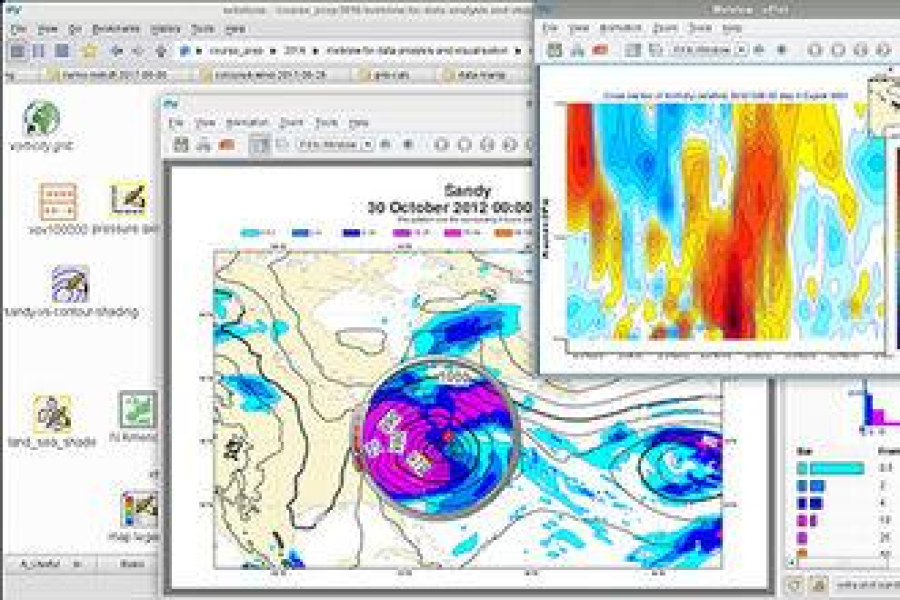
Metview is a meteorological workstation application that enables you to access and visualise meteorological data.
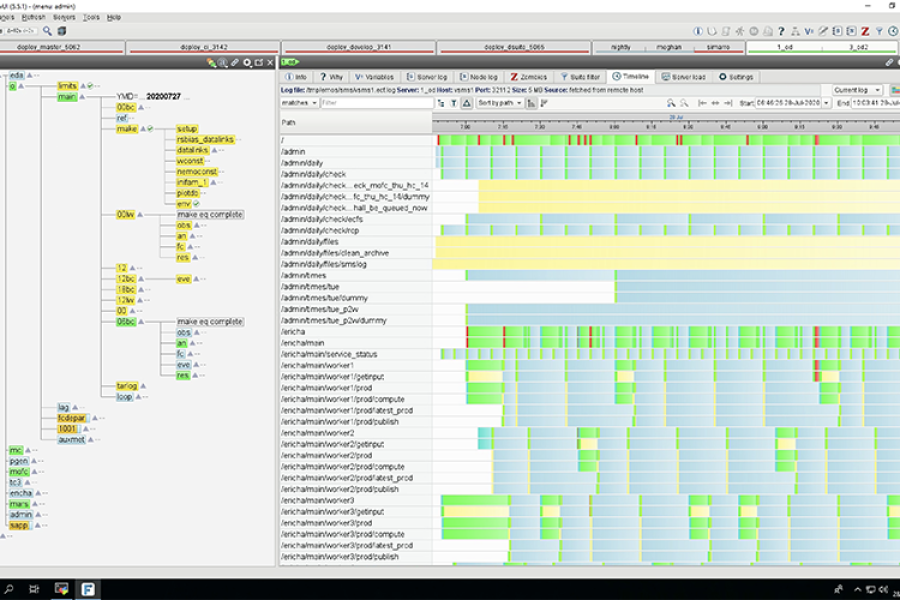
ecFlow is a workflow package that enables users to run a large number of programmes behind a firewall.
Explore the key microphysical and warm-phase processes of cloud and precipitation parametrisation and their use in NWP.
Learn how sub-grid-scale processes (not explicitly simulated in NWP), are parameterised and how challenges are overcome.