
Datasets
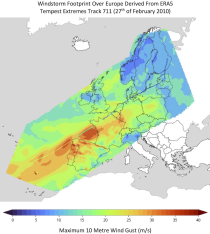
Interval/period: Thu, 02/01/1940 - Fri, 01/23/2026
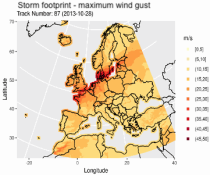
Interval/period: Sat, 03/01/1986 - Wed, 11/30/2011
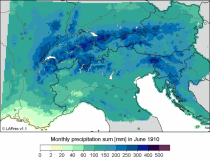
LAPrec1871 starts in 1871 and is based on data from 85 input series;
LAPrec1901 starts in 1901 and is based on data from 165 input series.
Interval/period: Sun, 01/01/1871 - Sat, 05/09/2026
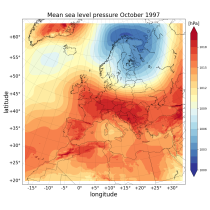
Interval/period: Sat, 09/01/1984 - Sat, 01/31/2026
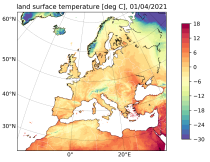
Interval/period: Sat, 09/01/1984 - Thu, 07/31/2025
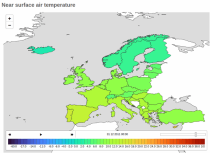
Interval/period: Mon, 01/01/1979 - Sun, 03/01/2026
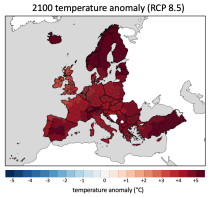
Interval/period: N/A
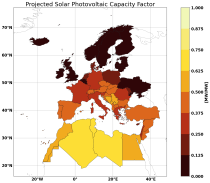
Interval/period: Sun, 01/01/1950 - Wed, 12/01/2100
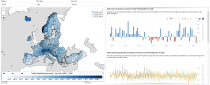
Interval/period: Mon, 01/01/1940 - Fri, 12/31/2100
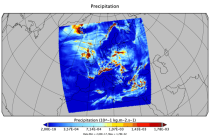
Interval/period: Sun, 01/01/1950 - Fri, 12/31/2100
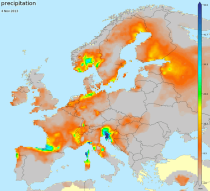
Interval/period: Sun, 01/01/1950 - Sat, 05/09/2026
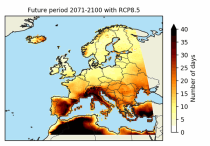
These heat wave and cold spell days are available for different future time periods and use different climate change scenarios.
Interval/period: Wed, 01/01/1986 - Mon, 12/31/2085
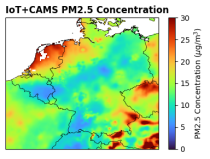
Interval/period: Mon, 01/01/2018 - Tue, 12/31/2024
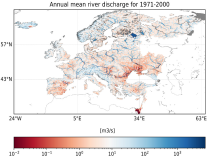
ECV datasets provide the empirical evidence needed to understand the current climate and predict future changes.
Interval/period: N/A
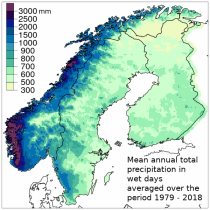
Spatial interpolation methods are applied to observational datasets to create gridded datasets.
In general, there are three types of such methods: deterministic (type 1), stochastic (type 2) and pure mathematical (type 3).
Interval/period: Sun, 01/01/1961 - Thu, 09/18/2025
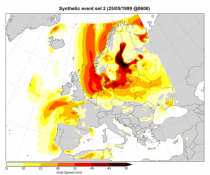
Interval/period: Wed, 01/01/1986 - Wed, 11/30/2011
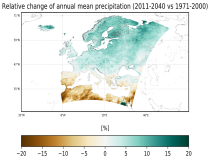
ECV datasets provide the empirical evidence needed to understand the current climate and predict future changes.
CIIs contain condensed climate information which facilitate relatively quick and efficient subsequent analysis. Therefore, CIIs make climate information accessible to application focussed users within a sector.
Interval/period: N/A
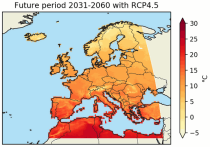
Interval/period: Wed, 01/01/1986 - Mon, 12/31/2085